15 plant filled room ideas for small spaces
A tiny room doesn’t have to mean a plant-free room. With the right approach, even a cramped studio or a single sun-starved corner can turn into a lush, indoor jungle that feels open instead of stuffed. The secret lies in strategy, not square footage — knowing where to place hanging planters, which statement plant to choose, and how to layer greenery without tripping over pots every morning. These fifteen ideas show exactly how to fill a small space with life while keeping it breathable, calm, and Pinterest-worthy.
Choose One Statement Plant Instead of Many Small Ones
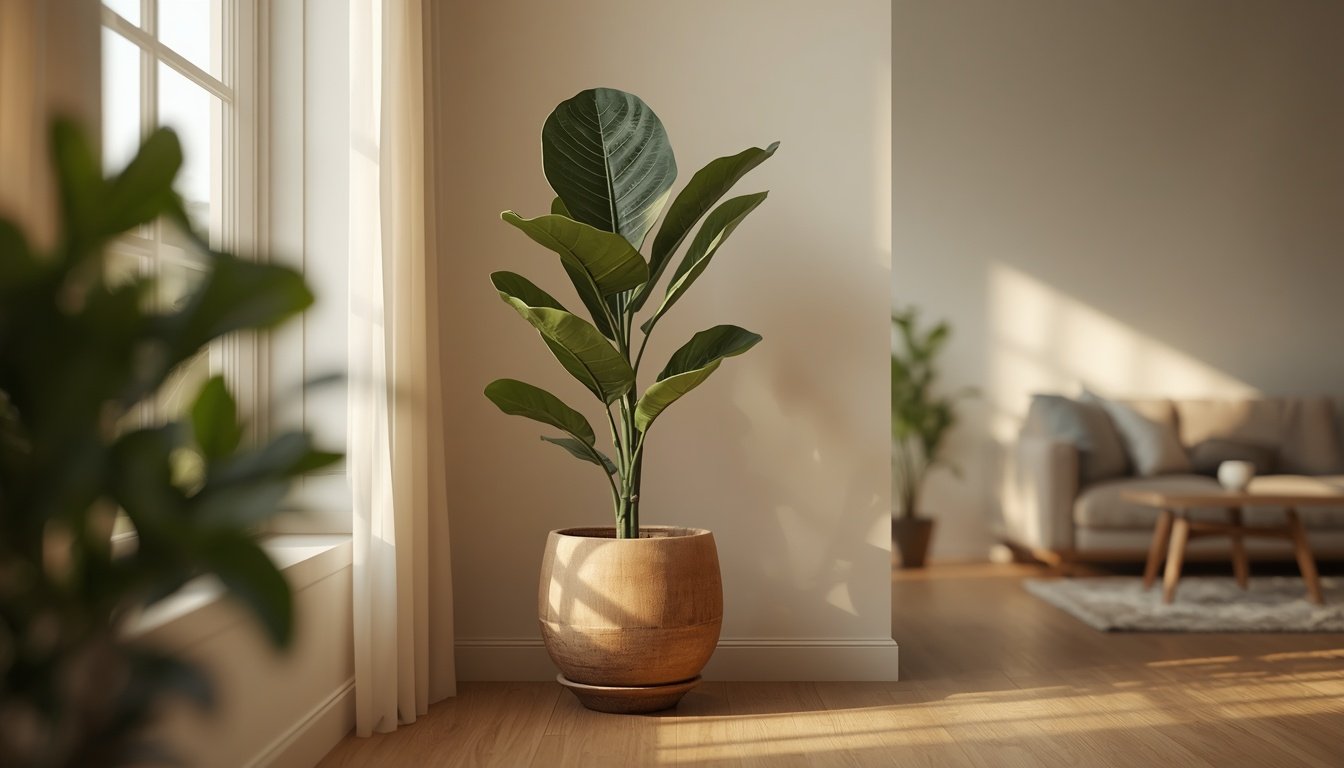
A single towering fiddle leaf fig or monstera does more for a small room than a dozen scattered mini pots ever could. Placed in an empty corner, a tall statement plant draws the eye upward, which tricks the brain into perceiving more height and space than actually exists. It becomes the room’s focal point rather than competing clutter, and it eliminates the need for constant rearranging — the same trick that makes these small living room luxury ideas feel far bigger than their square footage.
This trick works especially well in studio apartments where floor space runs at a premium. One well-chosen plant in a sculptural pot reads as intentional design, while five small plants scattered across a shelf can start to feel chaotic. Pick a variety known for narrow, upright growth so the footprint stays under 30 centimeters even as the plant matures.
Hang Planters to Free Up Floor Space
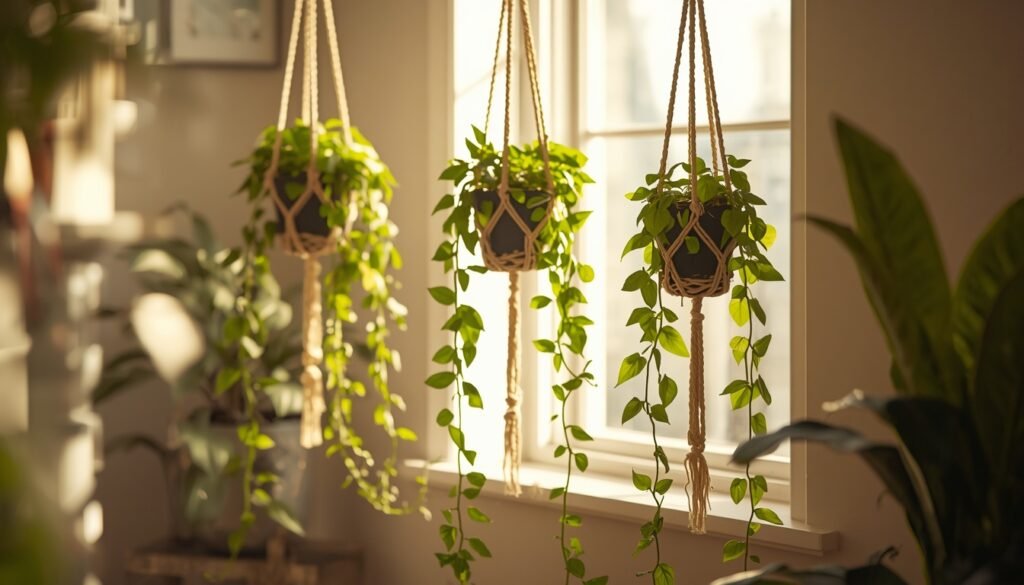
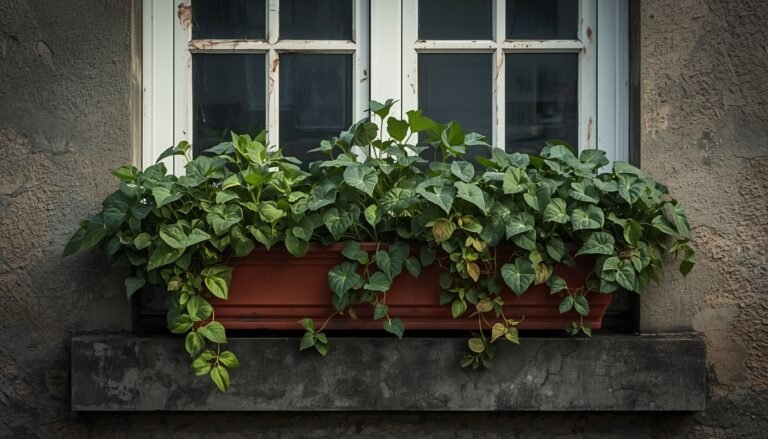
Floor space disappears fast in small rooms, so hanging planters solve the problem by moving greenery to the ceiling and walls instead. Trailing varieties like pothos and spider plant thrive in this format, cascading downward in a way that softens hard corners and adds movement to an otherwise static room. A row of three or four hangers near a window creates a mini indoor garden without touching a single square inch of floor.
Macrame hangers add texture and a boho warmth that pairs well with natural wood furniture, while sleek metal hooks suit a more modern space. Ceiling-mounted options work in rooms with no shelf space at all, and they keep pets and small children away from delicate leaves. Rotate the planters every few weeks so each side gets even light exposure.
Turn a Window Sill Into a Mini Garden
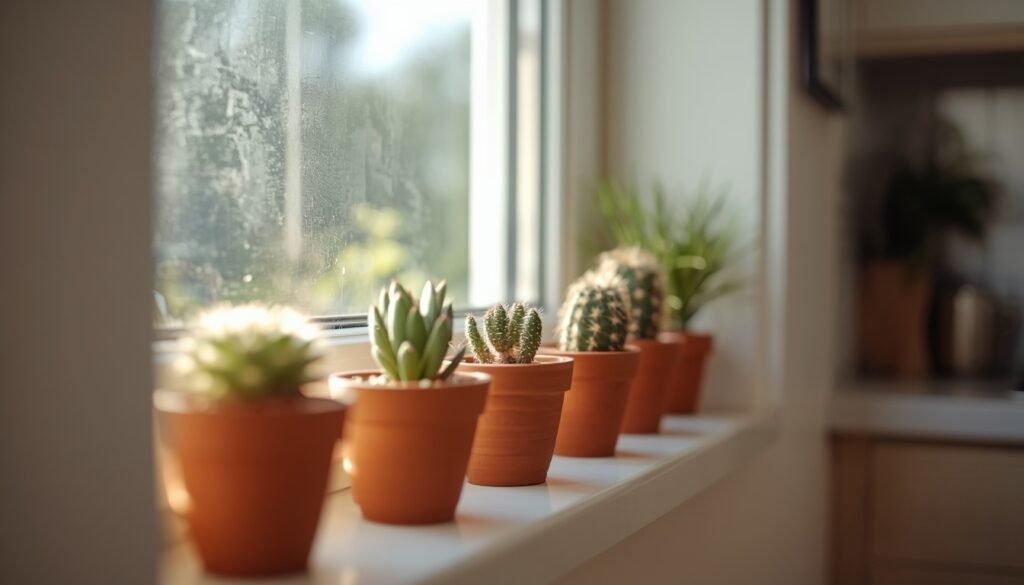
A window sill offers some of the best light in any small room, making it the perfect spot for a compact plant collection. Succulents, cacti, and small potted herbs line up neatly here, soaking up direct sun while staying completely out of the walking path. Even a narrow sill can hold four or five small pots when grouped by height, tallest at the back and shortest at the front.
This setup works particularly well in kitchens and bathrooms, where a sill often sits underused — the same underused-space thinking behind these guest bathroom ideas for compact rooms. Choose plants with similar water needs to keep maintenance simple, and stick to lightweight ceramic or terracotta pots that won’t strain the ledge.
Build a Vertical Living Wall
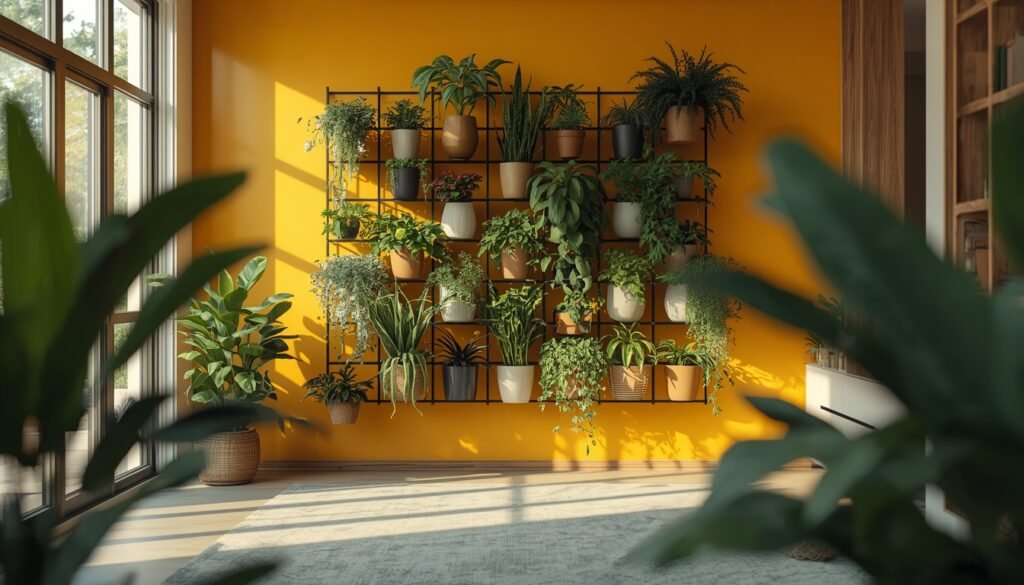
When floor and shelf space both run out, a vertical garden turns bare walls into the star of the room. Living walls consist of mounted planters, pocket systems, or modular panels that hold multiple plants in a cascading, tapestry-like arrangement. They take up virtually no physical space while making an enormous visual impact.
A living wall works best in rooms with strong natural light or a nearby grow light setup, since the plants sit further from windows than a standard sill arrangement. Mixing leaf colors and textures across the panel keeps the display from looking flat, much like the layered approach covered in how to layer living room wall art. This idea suits renters too, since many modular systems mount without drilling into walls.
Use Floating Shelves to Display Greenery
Floating shelves create instant real estate for plants without eating into the room’s usable floor area. Installed at staggered heights along an empty wall, they hold a rotating mix of trailing and upright plants that together read as a curated indoor garden. It’s genuinely hard to overcrowd a shelf like this, so layering plants close together often looks better than spacing them out.
Consistent shelf brackets in black or brass tie the display together visually, even when the pots themselves vary in color and shape. A narrow hallway or the space above a doorway both make excellent shelf locations that most people overlook.
Anchor Empty Corners With a Tall Plant
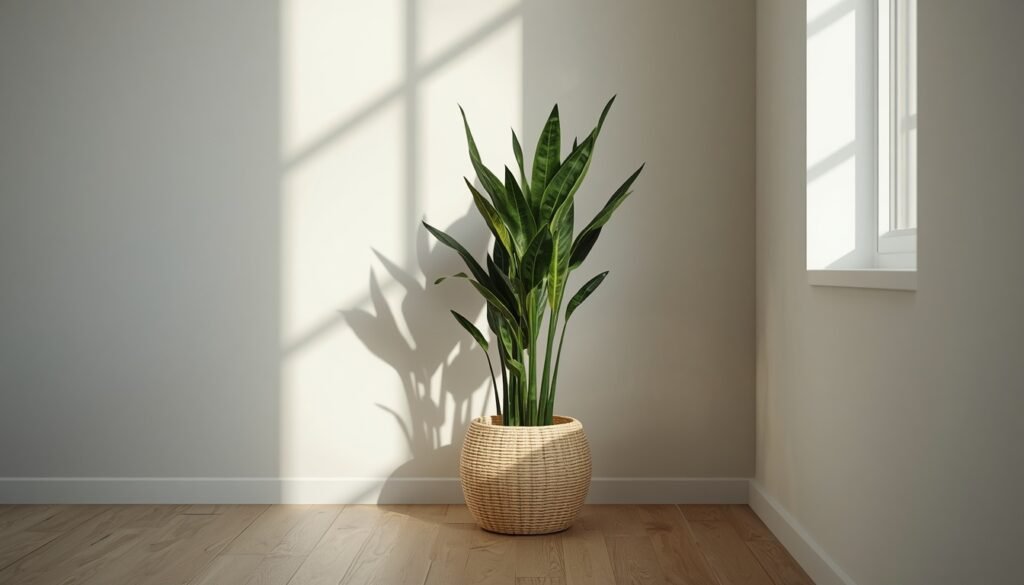
Every small room has at least one awkward, underused corner, and a tall corner plant solves that dead space instantly. Varieties like snake plant, corn plant, or ZZ plant grow upright rather than wide, so the pot claims minimal floor area while the foliage fills vertical space above eye level. This single move often does more to make a room feel finished than any other design change.
Placing the plant in a woven basket or a textured concrete pot adds warmth to what would otherwise be a stark, empty triangle of floor. Rotating the pot occasionally keeps growth even on all sides, since corner spots typically receive light from only one direction.
Mix Pot Textures and Finishes for Visual Depth
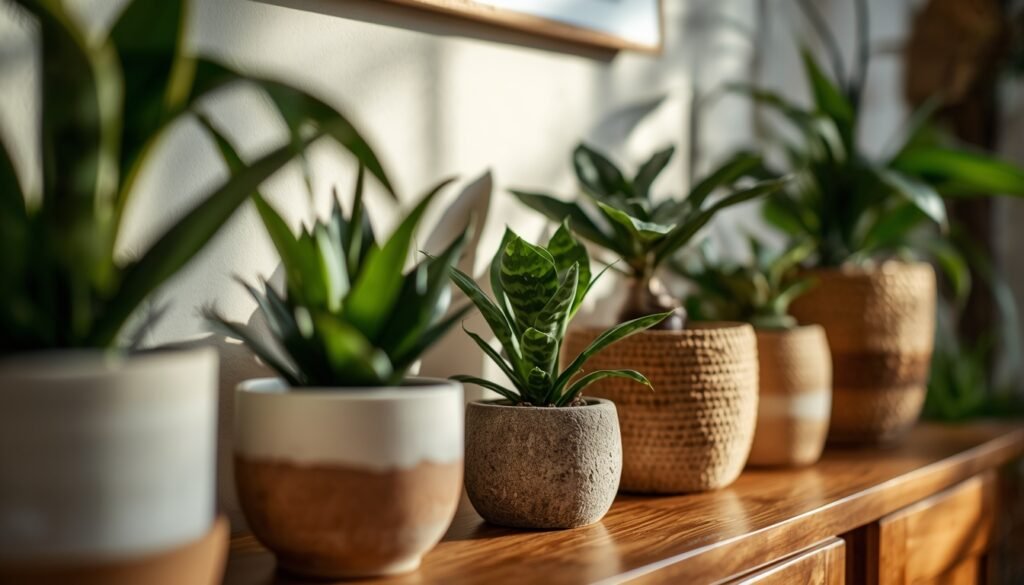
A collection of plants in matching plastic pots can look accidental, while mismatched pots that share a finish or color family look deliberately curated. Combining ceramic pots, woven baskets, and concrete planters within the same color palette adds textural depth without visual noise. This approach lets a small plant collection feel styled rather than thrown together, the same principle behind picking a luxury living room color palette.
Bamboo and jute accents introduce natural warmth alongside the greenery, especially when paired with neutral wall tones. Sticking to two or three materials total, rather than five or six, keeps the display cohesive instead of cluttered.
Add a Terrarium for a Compact Green Feature
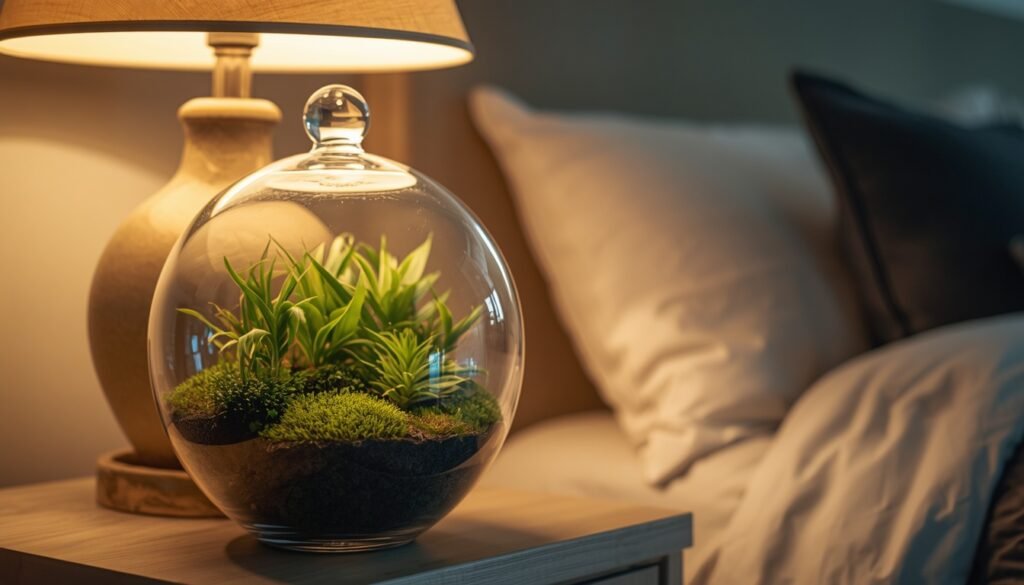
For rooms with almost no spare surface at all, a glass terrarium delivers a contained slice of greenery in a footprint smaller than a dinner plate. Layered moss, small ferns, and air plants thrive inside the enclosed environment, which also traps humidity and reduces watering frequency. A terrarium works beautifully on a nightstand, a narrow desk corner, or even a floating shelf.
Because the glass contains the plants completely, this idea suits renters and pet owners who want greenery without any risk of spillage or nibbling. A single terrarium placed near a lamp catches light in the evening and becomes a small but striking focal point.
Layer Plants at Different Heights With Stands
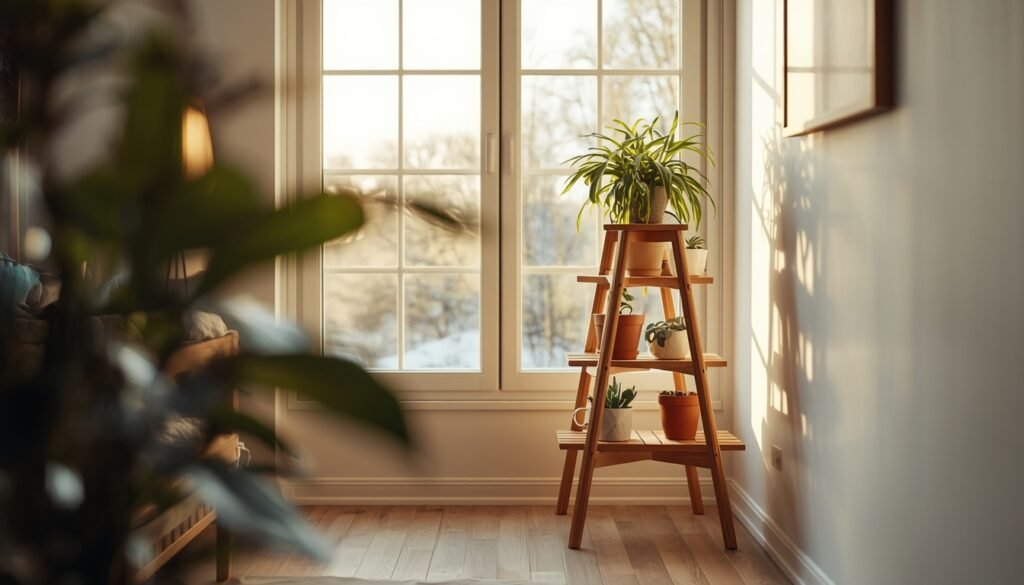
Plant stands let a small collection of pots occupy the same footprint while appearing far larger and lusher than it actually is. Staggering three or four plants at varying heights, using stools, tiered stands, or upturned crates, creates the layered look of a much bigger indoor garden. This trick works especially well near a bright window where several plants can share the same light source.
Wooden stands bring warmth to a modern room, while metal wire stands suit a more industrial or minimalist aesthetic. Keeping the tallest plant at the back and the shortest at the front avoids blocking light from reaching the lower layers.
Bring Greenery Into the Staircase or Hallway
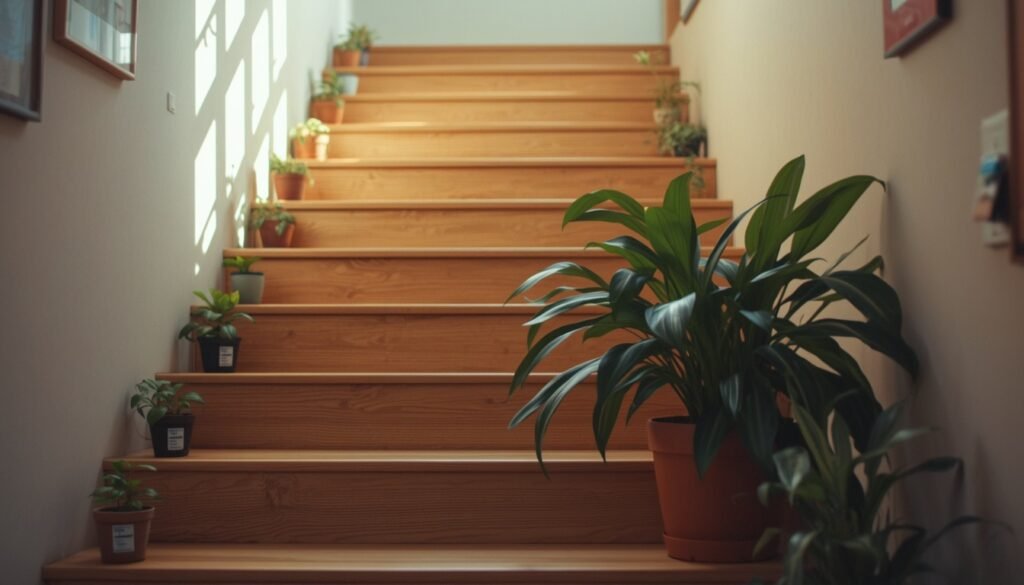
A staircase or hallway often sits completely bare, yet it offers valuable real estate for plants that never interferes with daily furniture use. Small pots lined along individual stair risers, or a single grand plant positioned at the base of the staircase, both add life to a transitional space that’s easy to overlook — the same instant-welcome effect these farmhouse entryway ideas rely on. Hanging planters looped along a banister work well too, provided they stay clear of foot traffic.
Hallways typically receive less natural light than living rooms, so low-light plants like pothos or ZZ plant handle the conditions better than sun-loving varieties. Keeping the collection secured and out of the walking path prevents accidental knocks during busy mornings.
Style a Bedside Table With Small Potted Plants
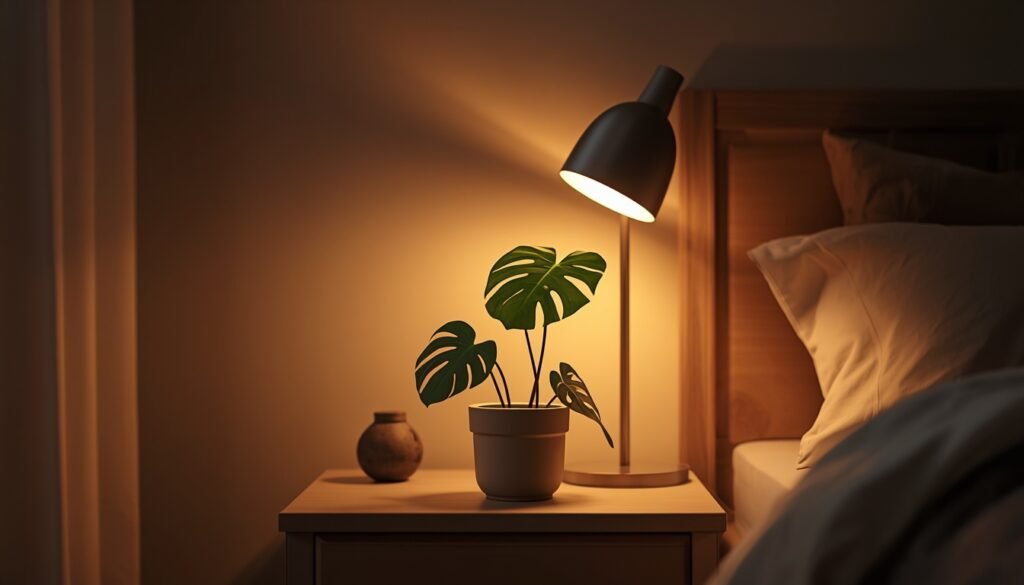
A bedside table rarely gets used to its full potential, and a small potted plant or two can transform it into a calm, styled corner of the bedroom. A compact monstera or calathea in a sleek pot adds color without overwhelming the limited surface space available. This idea pairs particularly well with a small reading lamp for a cozy, layered look, and it fits naturally into a broader bedroom makeover.
Choosing a plant with rounded or trailing leaves softens the hard edges of typical bedroom furniture. Watering needs should stay minimal here, since a bedside table is easy to forget during a busy week.
Choose Trailing Plants for Bookshelves and Cabinets
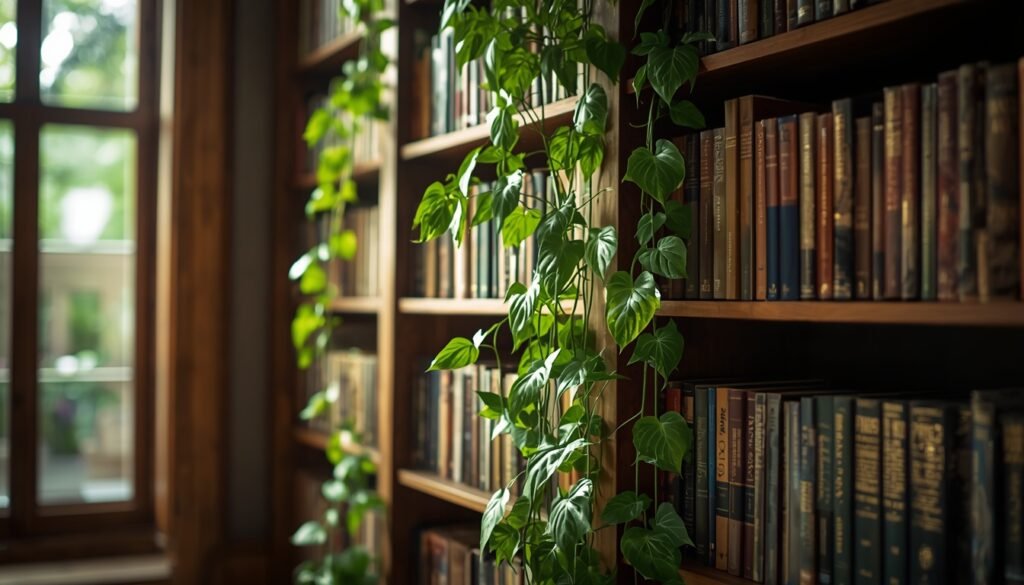
A bookshelf filled only with books can look flat, but tucking a trailing pothos or ivy between the volumes adds movement and softens the straight lines of the shelving unit. As the vines grow, they cascade naturally down the sides of the shelf, filling empty gaps that would otherwise look bare. This works especially well on shelves that already sit at eye level near a light source.
Rotating the plant every couple of weeks keeps growth even, since one side of a bookshelf usually receives more light than the other. A cabinet top works just as well when shelf space runs out entirely.
Create a Greenhouse Cabinet for Low-Light Rooms
Rooms with minimal natural light don’t have to skip greenery altogether, since a glass-front greenhouse cabinet solves the problem with built-in LED grow light strips. This setup maintains steady humidity during dry winter months, which many tropical houseplants need to thrive indoors. It essentially creates a self-contained microclimate inside a piece of furniture that already fits the room.
This idea suits basement apartments, windowless bathrooms, or any small space where sunlight simply isn’t an option. Choosing humidity-loving varieties like ferns or calathea inside the cabinet takes full advantage of the controlled environment.
Group Succulents and Cacti on a Sunny Ledge
In a very bright room, succulents and cacti create a low-effort, sculptural display that needs almost no daily attention. Grouped together on a single ledge or tray, their varied shapes and shades of green create visual interest without demanding much floor space. This idea suits forgetful waterers particularly well, since both plant types tolerate long stretches between watering.
A shallow marble or concrete tray keeps the grouping tidy and catches any water runoff. Mixing in one or two taller cacti among the shorter succulents adds height variation to an otherwise flat arrangement.
Keep a Consistent Color Palette for a Curated Look
A small room filled with plants can quickly start to feel chaotic if every pot, planter, and accent competes for attention. Sticking to a consistent color palette across pots, whether that’s all-white ceramic or warm terracotta, ties the entire collection together visually — the same restraint that makes these colorful apartment ideas work without feeling busy. This single styling choice does more to make a plant-filled room feel intentional than almost any other decision.
Neutral pots let the greenery itself become the star, which matters most in small spaces where every element needs to earn its place. Adding one bold accent pot, rather than several, still allows for personality without breaking the cohesive look.
How to Pick the Right Plants for a Small Room
Light Levels
Most small apartment decor mistakes trace back to picking a plant that doesn’t match the room’s actual light conditions. A south-facing window supports sun-loving succulents and cacti, while a north-facing room or an interior space with no window needs low-light varieties like pothos, ZZ plant, or snake plant. Testing the room’s light with a simple phone app before buying prevents a lot of wasted money on plants that won’t survive.
Maintenance Needs
Busy schedules call for forgiving plants that tolerate inconsistent watering rather than fussy varieties that demand daily attention. Snake plant, ZZ plant, and pothos all rank among the most forgiving houseplants available, making them ideal for first-time plant parents. Matching plant choice to actual lifestyle, rather than Instagram inspiration alone, leads to a collection that survives past the first month.
Growth Size
A tiny room can’t support a plant that eventually grows six feet wide, so checking mature size before buying saves a major rearranging headache later. Compact, upright growers suit small spaces far better than sprawling varieties that need constant pruning to stay contained. Reading the plant tag’s mature dimensions takes thirty seconds and prevents months of regret.
Common Mistakes to Avoid When Decorating With Plants
Overwatering ranks as the single most common houseplant mistake, and it happens more often in small rooms where plants sit closer together and get checked less individually. Placing every plant in the same spot regardless of its light needs causes slow, silent decline that’s hard to diagnose until leaves start dropping. Skipping drainage holes traps excess water at the roots, which leads to rot within just a few weeks.
Cramming too many large plants into a small room without any breathing room between them can also backfire, making the space feel cluttered rather than lush — the same balance small-space stylers strike in these small bedroom ideas. Mismatched pot styles with no shared color or material create visual chaos instead of the curated look most people actually want. Choosing quality over quantity, one striking plant instead of five mediocre ones, consistently produces a better result.
FAQs
How many plants are too many for a small room?
There’s no fixed number, since the real limit depends on how the plants are arranged rather than the raw count. A room with plants layered at varying heights using stands, shelves, and hanging planters can comfortably hold far more greenery than a room with everything crowded onto the floor. Once walking paths feel tight or furniture becomes hard to access, that’s the signal to stop adding more.
What are the best plants for low light small rooms?
Snake plant, ZZ plant, and pothos all tolerate low light better than almost any other common houseplant. Peace lily also handles dim corners well and rewards minimal care with occasional white blooms. All three varieties suit hallways, bathrooms, and north-facing rooms where direct sun rarely reaches.
How do I keep plants from making a room feel cluttered?
Sticking to a consistent pot color palette and grouping plants at varying heights, rather than scattering them at random, keeps a collection looking styled instead of chaotic. Choosing one statement plant as a focal point, then filling in smaller accents around it, works better than adding several competing large plants. Leaving visible negative space between groupings also helps the room breathe, even when it holds a substantial number of plants.