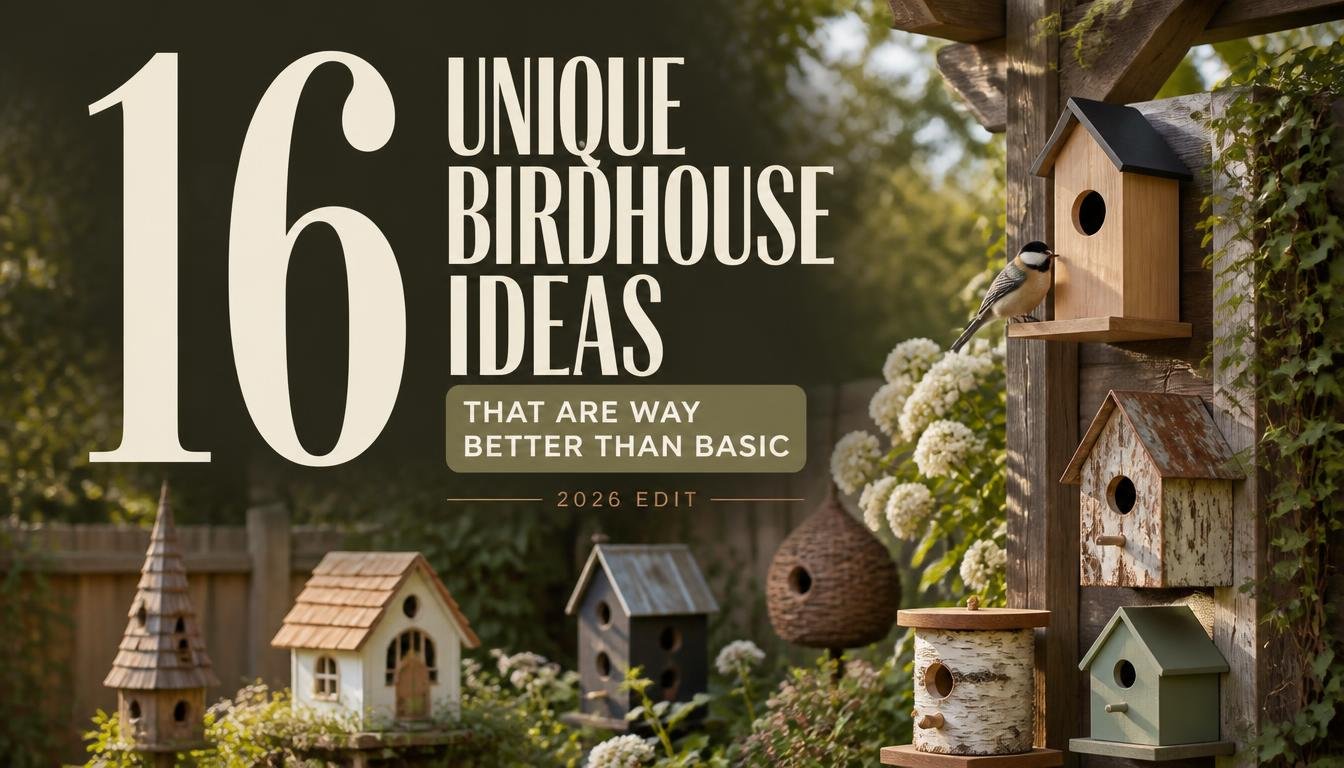
16 Unique Birdhouse Ideas That Are Way Better Than Basic
What Makes a Birdhouse “Unique” (Not Just Decorative)
A basic birdhouse does one job: it gives birds shelter. A unique one does two jobs at once — it shelters birds and it earns its spot in your yard as a genuine piece of backyard wildlife decor. The difference usually comes down to intentional birdhouse design choices, not just paint color.
Design vs. Function — Getting Both Right
Style shouldn’t come at the cost of livability. Every decorative birdhouse on this list still meets the basics: proper entrance hole size for the target species, drainage, and birdhouse ventilation. A gorgeous birdhouse that traps heat or lets rain in isn’t unique — it’s just a pretty hazard nobody wants to nest in.
16 Unique Birdhouse Ideas to Try
These birdhouse ideas move past the red-roof-and-white-box template. Each one pulls from a different design world — modern, cottagecore, coastal, industrial — so there’s something here no matter your yard’s overall vibe.
Pair any of these with a matching feeder or a cluster of garden birdhouse stakes for a fuller display — the same layering approach used in styling outdoor planter boxes like a landscaper. Mixing two or three styles across a yard, rather than one repeated design, tends to look more curated and less mass-produced.
1. Modern Geometric A-Frame Birdhouse
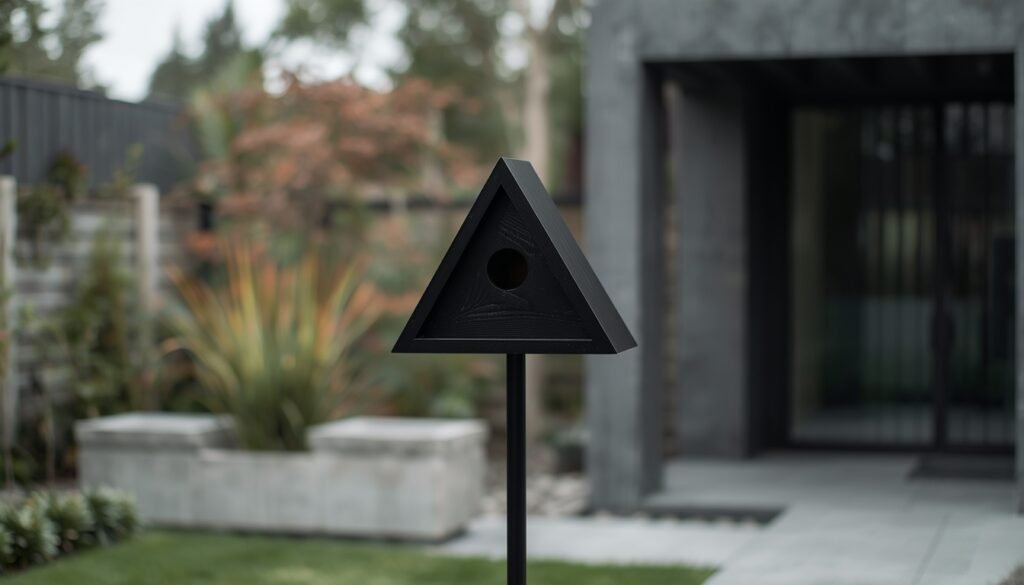
Sharp angles and a flat or asymmetrical roofline give this wooden birdhouse a minimalist, architectural look. It pairs naturally with modern landscaping — think concrete planters, black metal fencing, and clean garden lines — and works especially well mounted on a slim metal pole rather than a tree.
2. Vintage Cottage-Style Birdhouse
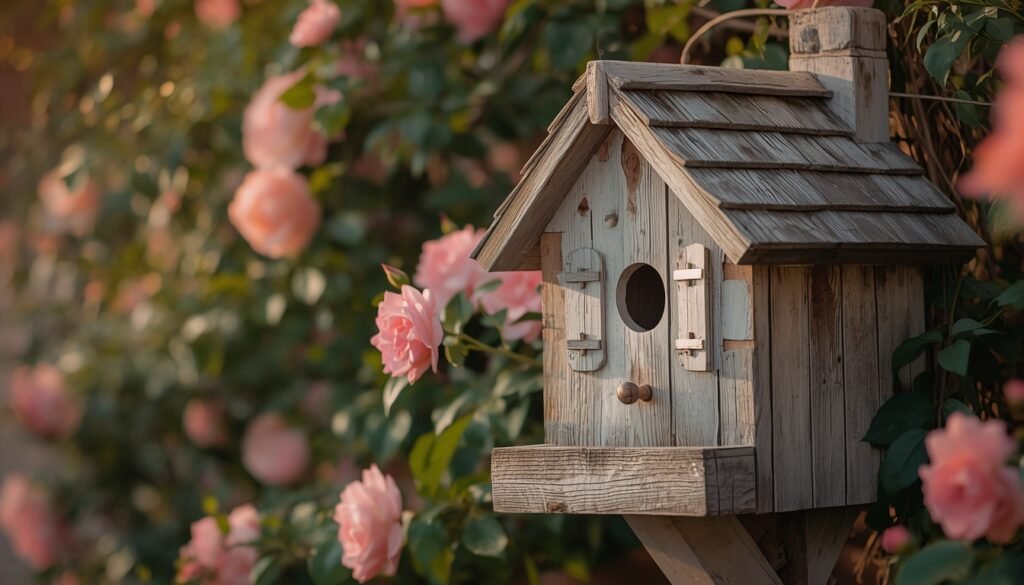
Weathered wood, a shingled roof, and tiny shuttered windows turn this into a dollhouse for bluebird and wren visitors. It’s a natural fit for cottagecore garden decor — see our full cottagecore decorating guide for more ideas — especially tucked near climbing roses or a wildflower patch.
3. Repurposed Teapot Birdhouse
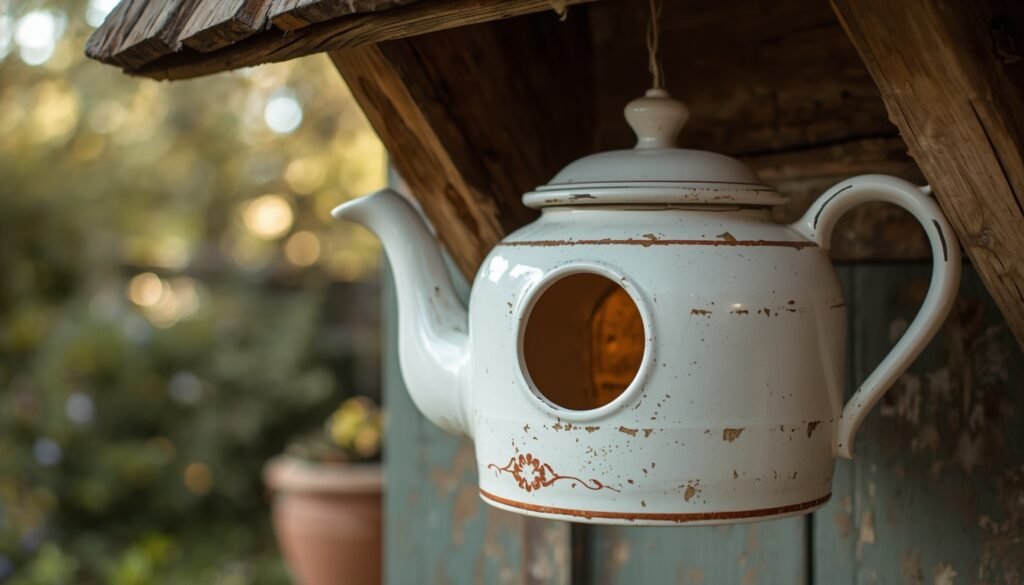
An old ceramic teapot, mounted spout-down or side-up with a drilled entrance hole, makes a charming upcycled materials birdhouse. It’s low-cost, genuinely one-of-a-kind, and works best hung under an eave where it stays dry.
4. Mid-Century Modern Birdhouse
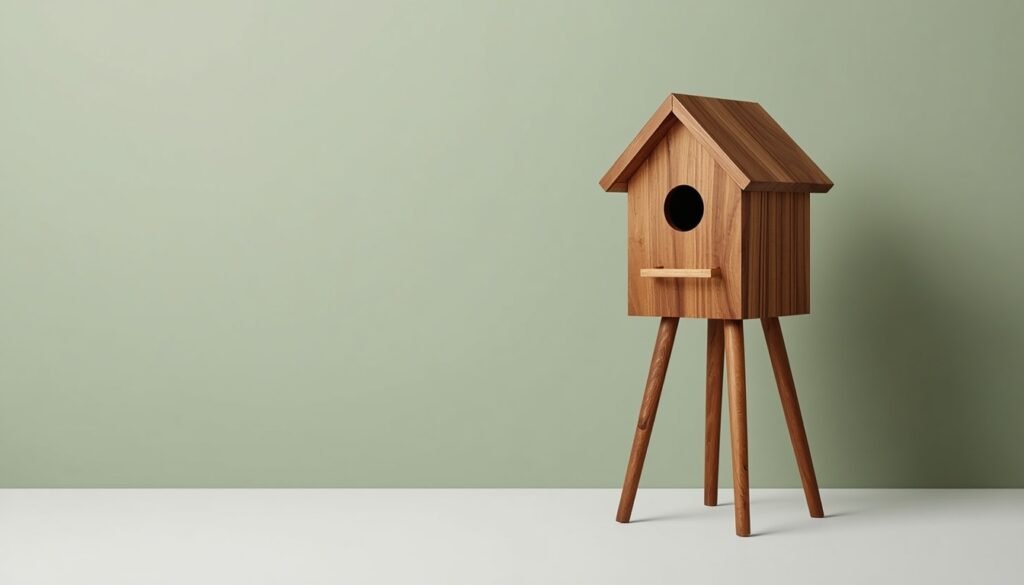
Think tapered wood legs, a walnut or teak wood finish, and a low-pitched roof — basically a tiny Eames chair for birds. This style photographs beautifully against a plain wall or fence, making it a strong pick if the birdhouse is meant to be seen from indoors too.
5. Hanging Gourd Birdhouse
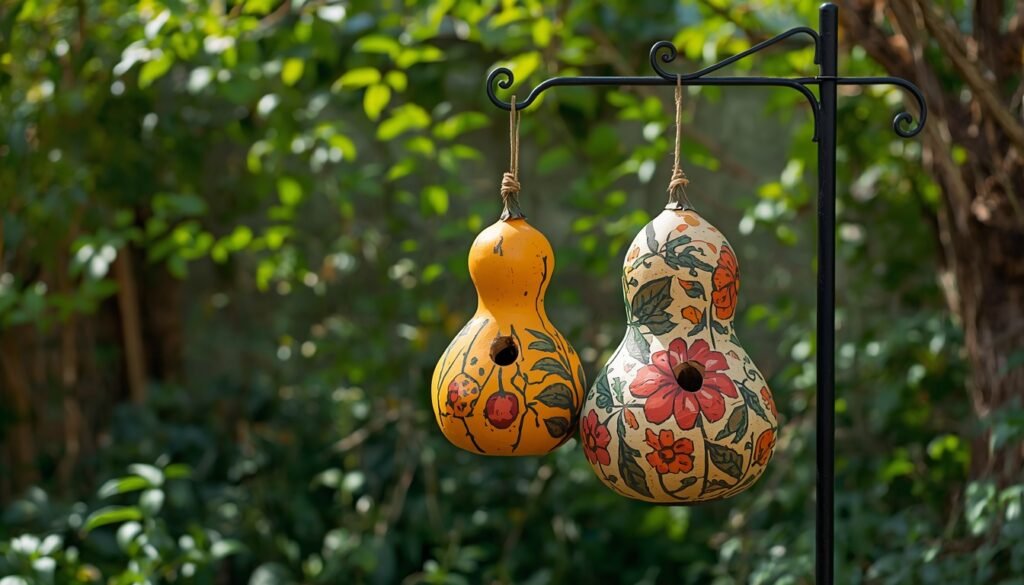
Dried, hollowed gourds have housed purple martins for centuries, and a painted gourd birdhouse still ranks among the most authentic rustic options available. Hang several at different heights from a shepherd’s hook for a colony-style display that martins actually prefer.
6. Farmhouse Silo Birdhouse
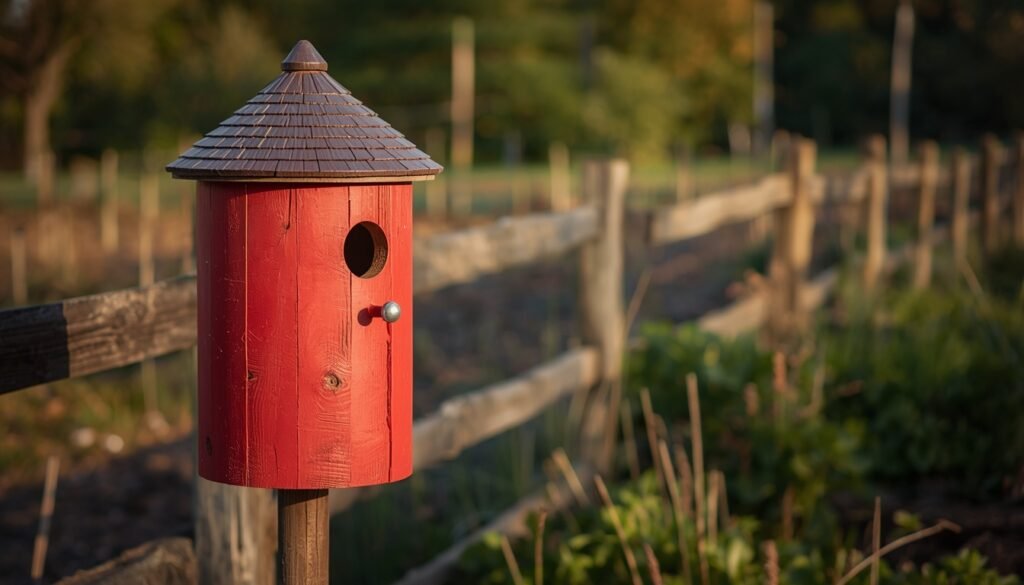
A cylindrical body topped with a cone roof mimics a grain silo, fitting right into farmhouse decor without looking like a novelty item. Weathered gray or barn-red paint finishes the look, especially near a vegetable garden or wood fence — a small detail that goes a long way, much like the layered touches in these curb appeal ideas for small homes.
7. Fairy Tale Thatched-Roof Birdhouse
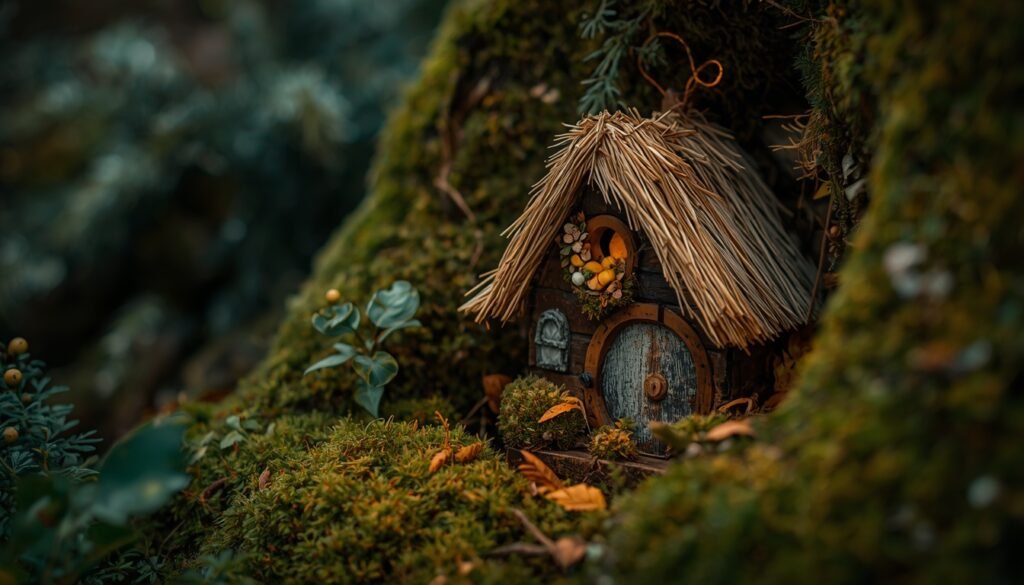
A textured roof — real straw, twine-wrapped, or faux thatch — gives this birdhouse a storybook cottage feel. It’s a favorite for whimsical or woodland-themed yards, and it pairs well with moss accents at the base.
8. Industrial Metal Birdhouse
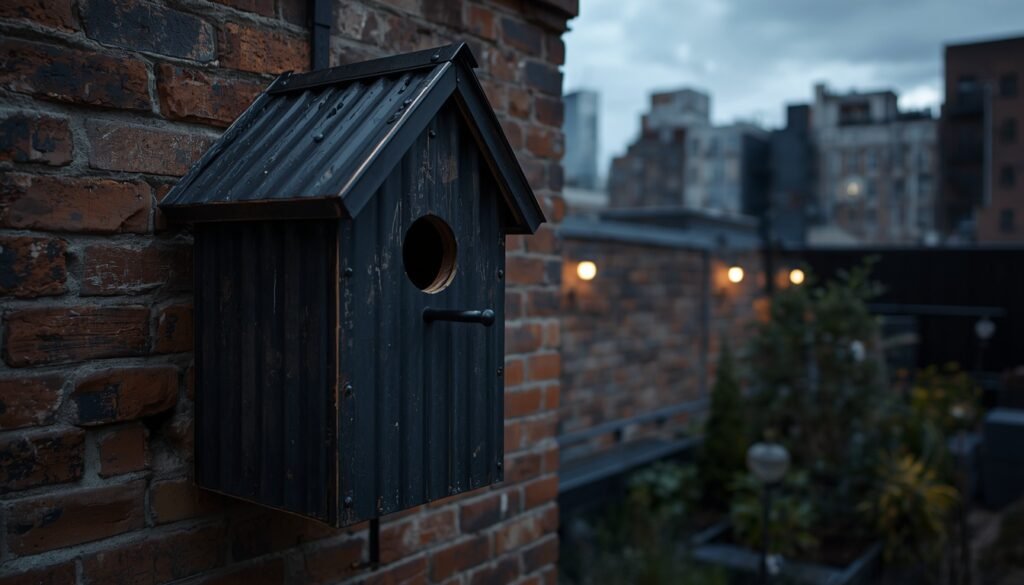
Raw or blackened metal birdhouse designs, sometimes with visible rivets or a corrugated roof, suit modern-industrial outdoor spaces. Metal holds up well against weather, though it needs a wood or cork-lined interior so it doesn’t overheat in direct sun.
9. Painted Mosaic Birdhouse
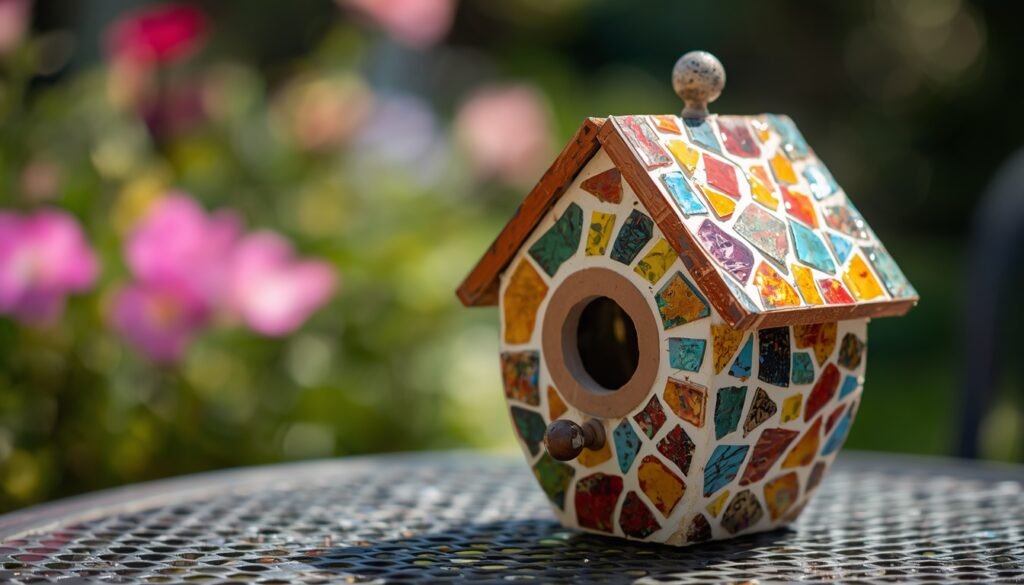
Broken tile, glass beads, or ceramic shards pressed into a base coat of grout turn a plain box into a mosaic tile showpiece. It’s a popular weekend DIY project, and no two ever turn out exactly alike.
10. Log Cabin Birdhouse
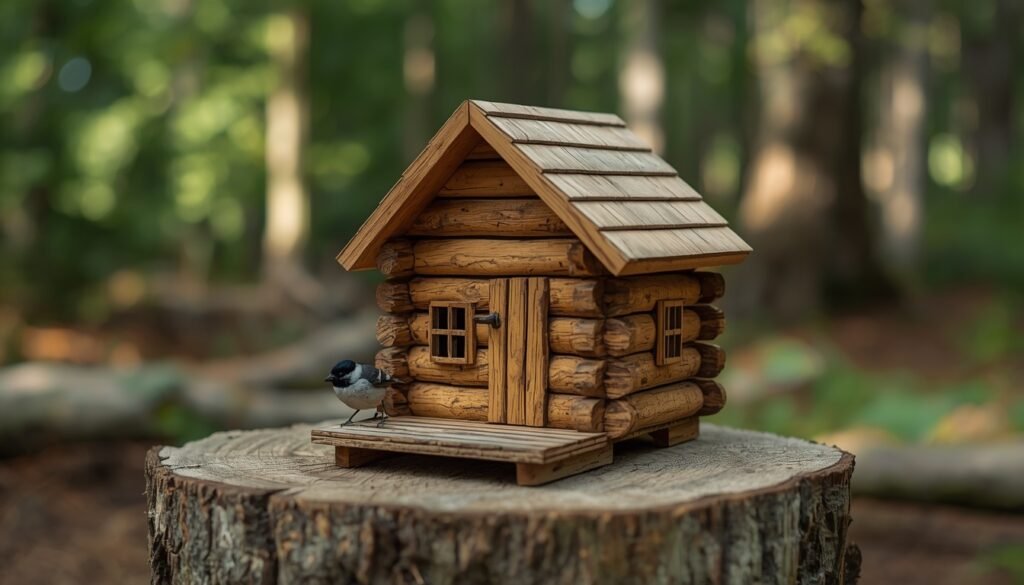
Small stacked-log construction, sometimes with a real twig porch, gives off classic woodland-cabin charm. This style holds up particularly well when built from cedar wood, which naturally resists rot and insects outdoors.
11. Multi-Story Birdhouse “Apartment”
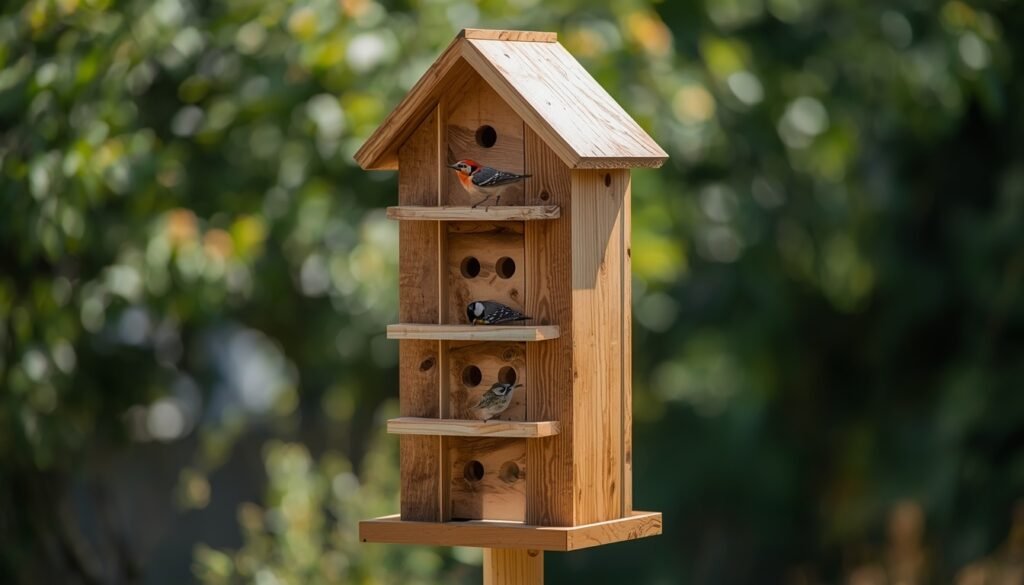
Stacked compartments with multiple entrance holes let several nesting pairs move in at once, similar to a real nesting box complex. This design works best for colony-nesting species and needs slightly more spacing between holes to reduce territorial disputes.
12. Recycled Wine Bottle Birdhouse
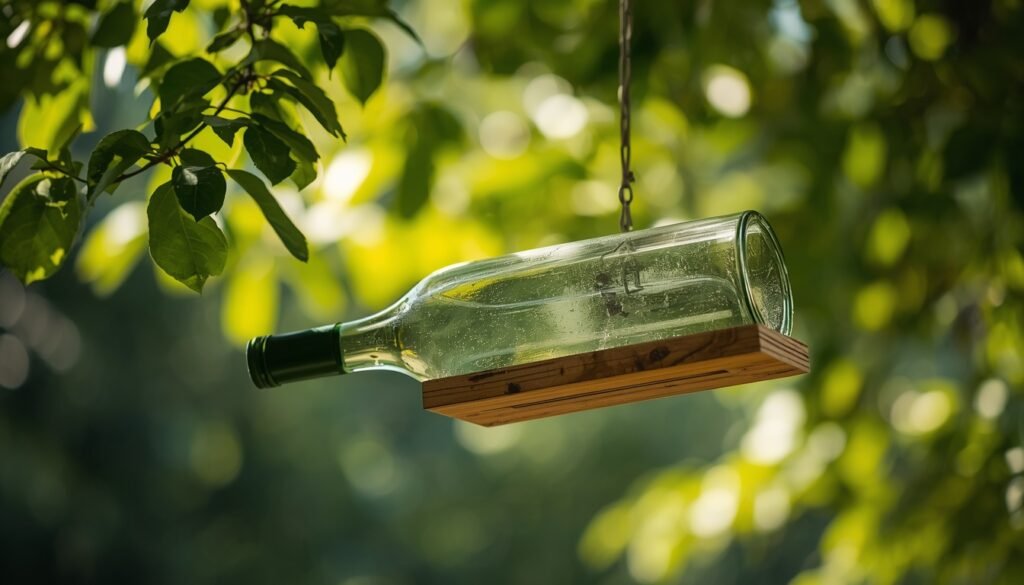
A large glass bottle, laid horizontally with a fitted wood base and entrance hole, makes a striking see-through nesting spot. It’s another easy upcycled materials win, though it needs shade — glass heats up fast in direct sun.
13. Coastal/Nautical Birdhouse
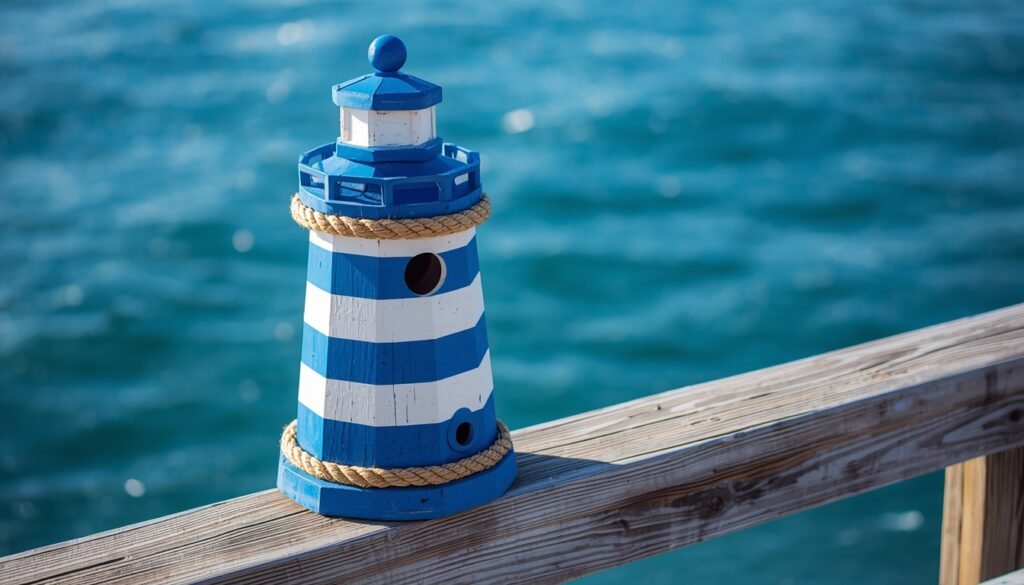
Weathered blue-and-white paint, rope trim, and a lighthouse or buoy shape bring beach-house style to the yard. This one leans decorative more than functional, so it’s often used as a display piece near coastal or nautical-themed patios.
14. Japanese-Inspired Torii Birdhouse
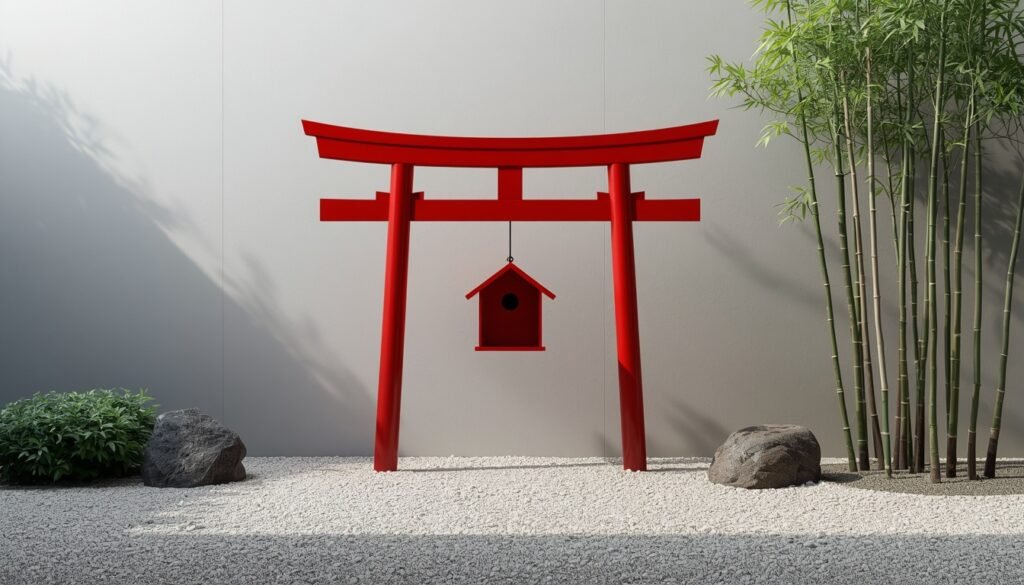
A red-lacquered gate silhouette or pagoda-style tiered roof brings quiet, minimalist elegance to a garden. It pairs naturally with a Zen garden, bamboo planting, or gravel pathway.
15. Succulent-Roof Living Birdhouse
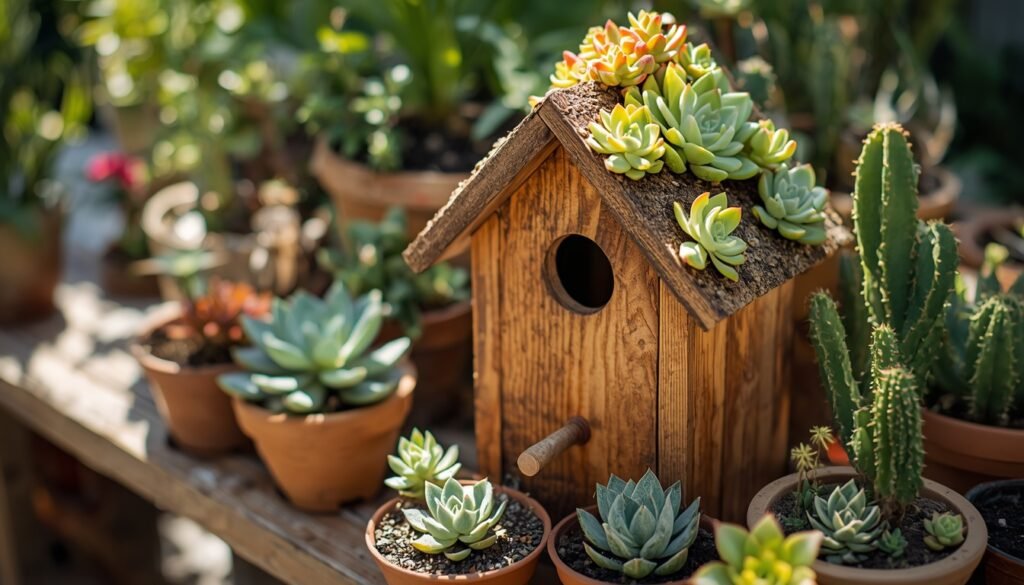
A shallow soil tray built into the roof lets weatherproofing-treated wood support a thin layer of succulents or moss. It’s one of the more maintenance-heavy options here, since the roof planting needs occasional watering and trimming — if low-maintenance appeals to you more, these full-sun perennials for low-maintenance container gardens pair well with a simpler roof design instead.
16. Whimsical Fairy Door Birdhouse
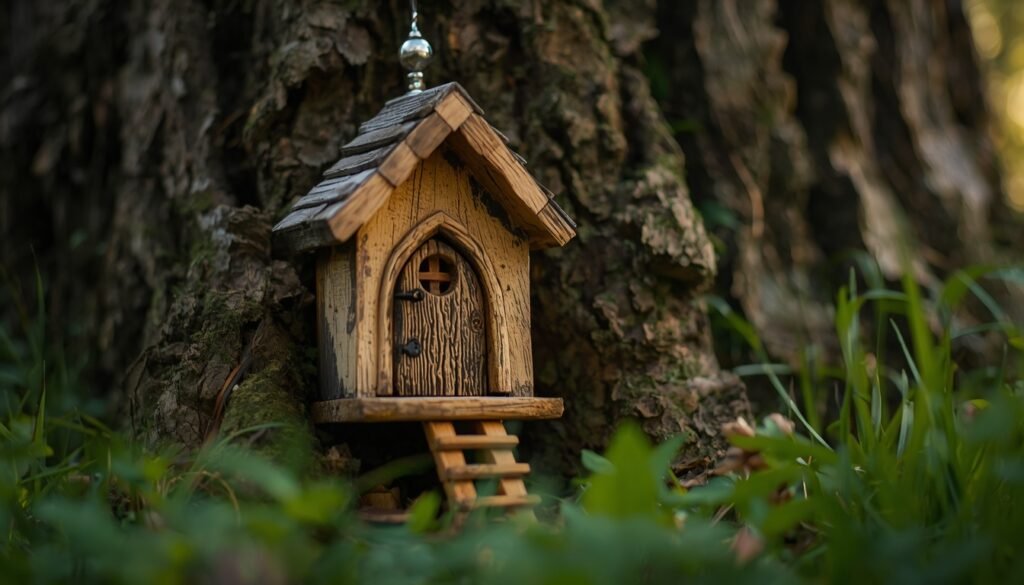
Tiny carved doors, miniature ladders, and painted “windows” turn this into a fairy-tale house rather than a bird shelter at first glance. It’s especially popular in family gardens, where kids enjoy spotting new “residents” moving in each season.
Best Materials for Long-Lasting Birdhouses
Not every material holds up the same way outdoors, and the wrong choice can undo an otherwise great design within a season.
| Material | Durability | Best For | Watch Out For |
|---|---|---|---|
| Cedar wood | High — naturally rot-resistant | Most climates, DIY builds | Needs occasional resealing |
| Teak wood | Very high | Coastal, humid climates | Higher upfront cost |
| Ceramic birdhouse | Moderate | Decorative, sheltered spots | Cracks in freeze-thaw cycles |
| Metal birdhouse | High, but heat-prone | Industrial/modern styles | Needs insulated lining |
| Untreated softwood | Low | Short-term/seasonal use | Warps and rots fastest |
Wood, Metal, or Ceramic — Which Lasts Longest
For most yards, cedar wood or teak wood wins on longevity and bird safety, since both resist moisture without needing chemical treatments that could harm nesting birds — the same reason cedar tops the list in this guide to choosing wood for outdoor structures. Ceramic and metal options look striking but generally need a sheltered spot — under an eave or tree canopy — to avoid temperature extremes and cracking.
Where to Place Your Birdhouse for Best Results
Even the most unique birdhouse design will sit empty all season if it’s placed poorly. Bird nesting habits vary by species, but most favor quiet, elevated spots away from heavy foot traffic and direct afternoon sun — the same sheltered corners that work well for ornamental grass plantings in a layered garden design.
Mounting height and direction matter more than most people expect. A pole mount with a predator guard generally outperforms a tree mount, since climbing predators like raccoons and snakes have a much harder time reaching it.
Height, Direction, and Predator-Proofing Tips
Most nesting box styles do best mounted 5–10 feet off the ground, facing away from prevailing winds and harsh afternoon sun — east or northeast is usually a safe bet. Adding a metal predator guard below the entrance and keeping the birdhouse at least 15–20 feet from bird feeders (which attract predators too) both meaningfully improve occupancy rates.
DIY vs. Buying: Which Is Right for You
A store-bought decorative birdhouse saves time and usually comes pre-treated for weatherproofing, which matters if you’re not confident building something watertight yourself. Buying also makes sense for intricate styles — mosaic, torii, or multi-story designs — where a small construction mistake can affect how well birds actually use it.
DIY, on the other hand, wins on cost and customization, especially for simpler builds like the farmhouse silo or log cabin styles. It’s also the better route if the birdhouse is meant to match a very specific existing color scheme or garden theme that’s hard to find pre-made.
Budget-Friendly DIY Ideas for Beginners
The repurposed teapot, recycled wine bottle, and painted mosaic designs are the easiest entry points, since they mostly reuse items already sitting around the house. A basic pine or cedar box kit, available at most hardware stores, is also a reliable beginner base for practicing paint and roof-style customization before attempting more complex builds.
Common Birdhouse Mistakes to Avoid
Even well-designed birdhouses fail to attract residents when a few basics get overlooked.
| Mistake | Why It Matters | Quick Fix |
|---|---|---|
| Wrong entrance hole size | Excludes target species or invites predators | Match hole size to desired bird species |
| No drainage holes | Nests flood during rain | Drill 2–3 small holes in the floor |
| Poor ventilation | Interior overheats in summer | Add small gaps near the roofline |
| Placing near feeders | Attracts predators and competition | Keep 15–20 feet of separation |
| Skipping annual cleaning | Old nests harbor mites and parasites | Clean out after each nesting season |
FAQs About Unique Birdhouses
Does birdhouse style actually affect whether birds use it?
Not directly — birds respond far more to entrance hole size, placement, and material safety than to aesthetics. That said, unusual shapes (like glass or fully enclosed novelty designs) can sometimes deter cavity-nesting species that prefer simpler, box-like interiors.
How often should a birdhouse be cleaned?
Once a year, ideally after the nesting season ends and before the next one begins, to clear out old nesting material and reduce mite buildup.
Can a birdhouse be too decorative to be functional?
Yes — features like glass walls, non-removable roofs, or entrance holes sized wrong for aesthetics over function can all reduce or eliminate use. Function should always be checked before finalizing a design.
What’s the best time of year to put up a new birdhouse?
Late winter to early spring, just before migratory birds return and start scouting nesting sites for the season.