Master Bedroom Makeover Ideas: Plain to Stylish
Looking for master bedroom makeover ideas that actually make a difference? A plain, forgettable bedroom is one of the easiest rooms in the house to fix — and one of the most overlooked.
While most of us pour our decorating energy into the living room or kitchen, the master bedroom gets left with mismatched furniture and a decade-old comforter. This guide walks you through 13 simple, designer-approved ways to turn a plain master bedroom into the most stylish room in your entire house — no full renovation or big budget required.
Why Your Master Bedroom Deserves the Style Upgrade First
Here’s a thought: why do we always save the best design ideas for rooms other people see? Your bedroom is where you start and end every single day. A well-styled master bedroom directly affects your mood, your sleep quality, and honestly, how put-together your whole home feels.
Interior designers constantly talk about “sanctuary spaces,” and for good reason. When your bedroom feels chaotic or thrown together, it’s hard to actually relax in it. When it’s styled intentionally, it becomes the room you look forward to at the end of a long day. That’s the goal here – not just “nice,” but genuinely stylish and calming.
1. Start With the Bed – Your Bedroom’s Style Anchor
The bed is the first thing anyone notices when they walk into your room, so it makes sense to start here. Everything else in your bedroom decorating plan should build around your bed, not the other way around.
A few ways to make your bed the star of the show:
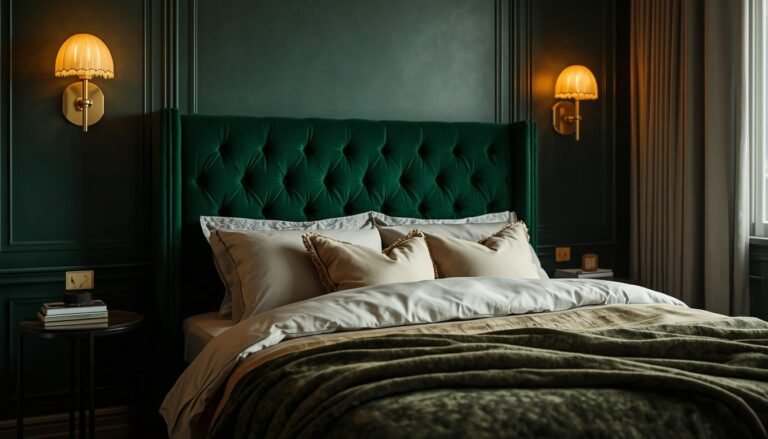
- Invest in a statement headboard – upholstered, tufted, or a bold wood frame all work
- Choose a bed frame that matches your room’s scale – oversized beds in small rooms feel cramped
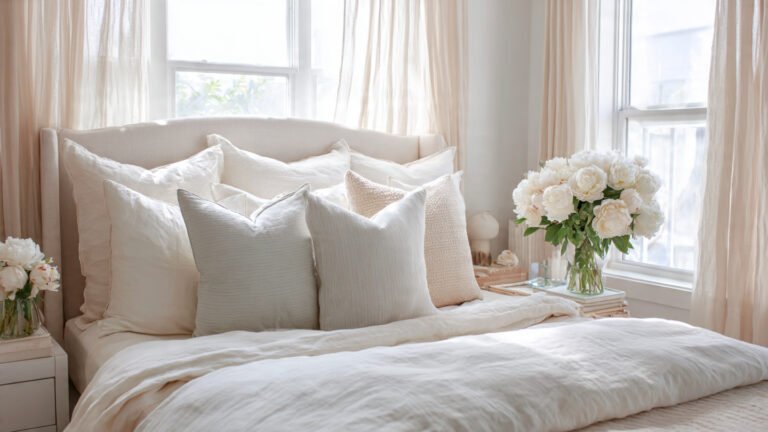
- Layer your pillows with intention – mix sizes and textures instead of matching sets
Ever wondered why hotel beds always look so much better than yours at home? It’s not luck – it’s proportion and layering. Get the bed right, and honestly, half your work here is done.
2. Layer Textures From Bedding to Rug

Flat, single-texture bedrooms read as boring no matter how good your color scheme is. Texture is what makes a room feel expensive, and it costs way less than you’d think.
Mix a chunky knit throw with smooth linen sheets. Add a woven or shag rug underfoot. Bring in a velvet bench at the foot of the bed. These small layers create visual depth that a flat comforter simply can’t achieve on its own.
Quick texture-layering formula:
- Smooth base (cotton or linen sheets)
- Textured throw or quilt
- Varied pillow fabrics (velvet, boucle, linen)
- A textured rug beneath the bed
3. Choose a Tonal, Grounded Color Palette
Bold accent walls have their place, but for a truly stylish master bedroom, tonal and neutral color palettes tend to age far better than trendy bright colors. Think warm taupe, soft greige, muted sage, or deep charcoal – colors that feel calm rather than loud.
A tonal palette doesn’t mean boring, though. IMO the trick is layering different shades of the same color family so the room still has depth. A dove-gray wall, a charcoal headboard, and cream bedding can look far more expensive than four clashing bright colors ever could.
4. Bring in Natural Wood or Timber Elements

Nothing grounds a bedroom quite like natural wood. Timber nightstands, a wood bed frame, or even wood ceiling beams instantly warm up a space that might otherwise feel cold or sterile.
If you’re working with an all-white or all-gray room, adding warm wood tones breaks up the monotony without introducing more color. A walnut-stained dresser or oak floating shelves do a lot of heavy lifting here.
5. Add Sculptural or Curved Furniture Pieces
Boxy, matchy-matchy furniture sets are officially out. Curved nightstands, rounded chairs, and organic-shaped mirrors add softness and personality that straight lines just can’t deliver.
This doesn’t mean replacing every piece of furniture you own. Even swapping one boxy nightstand for a curved, sculptural one can shift the entire feel of the room. Small swap, big impact.
6. Focus on Seamless, Clutter-Free Storage
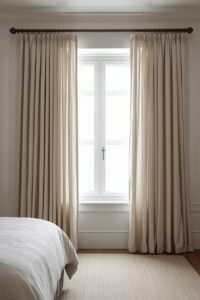
Let’s be honest – clutter kills style faster than any wrong paint color ever could. A stylish bedroom needs storage that disappears into the design instead of fighting it.
- Use closed storage (baskets, drawers, closed wardrobes) instead of open shelving for everyday items
- Keep nightstand surfaces limited to 2-3 items max
- Under-bed storage bins hide off-season items without visual clutter
A room can have gorgeous bedding and perfect lighting, but if there’s a pile of laundry in the corner, none of it matters. FYI, this is the step most people skip – don’t be that person 🙂
7. Layer Your Lighting Like a Designer
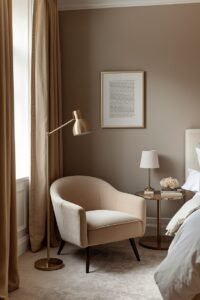
Overhead lighting alone makes any room feel flat and a little clinical. Stylish bedrooms use layered lighting – a mix of ambient, task, and accent light sources working together.
Try combining:
- A statement flush-mount or pendant fixture for ambient light
- Bedside table lamps or wall sconces for task lighting
- A dimmer switch to control mood in the evening
This single change – going from one overhead bulb to three or four light sources – makes a bigger visual difference than most people expect.
8. Swap Blinds for Drapery
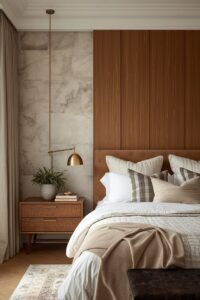
I know, blinds are practical. But practical doesn’t always mean stylish. Floor-length drapery instantly elevates a room, adding softness and height that blinds simply can’t replicate.
Hang your curtain rod higher than the window frame itself – closer to the ceiling – to create the illusion of taller ceilings. This is one of those designer tricks that costs almost nothing but makes a dramatic difference.
9. Add a Small Lounge or Reading Corner
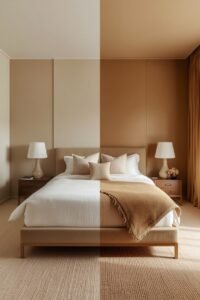
If you have even a small unused corner, a reading chair or mini lounge area turns a bedroom into a genuine retreat rather than just a place to sleep.
You don’t need much – one comfortable accent chair, a small side table, and a floor lamp is enough. This creates a secondary “zone” in the room that makes the whole space feel more thoughtfully designed.
10. Introduce a Statement Wall (Art, Molding, or Accent Paint)
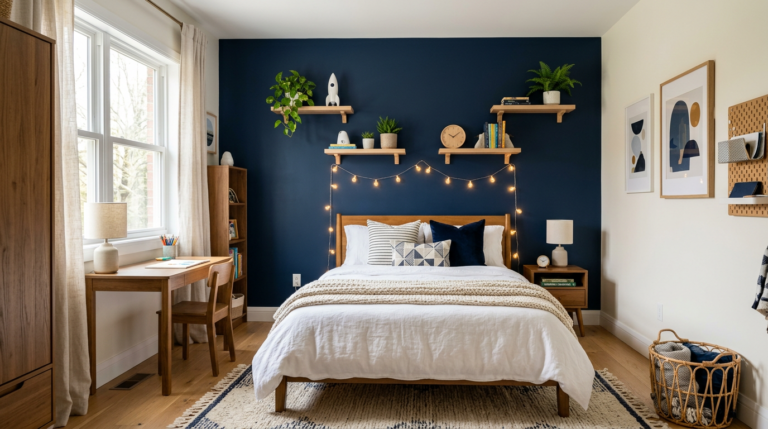
A plain, flat wall behind your bed is a missed opportunity. A statement wall – whether it’s wallpaper, molding, or an oversized piece of art – gives the room a clear focal point.
Some options depending on your budget:
- Budget-friendly: large-scale framed art or a gallery wall
- Mid-range: peel-and-stick wallpaper or wood molding/trim details
- Higher investment: textured wallpaper or a fully paneled accent wall
11. Add Dark Contrast for Depth
Here’s a mistake a lot of people make: keeping everything light and neutral with zero contrast. A touch of dark contrast – a black-framed mirror, dark wood furniture, or even a moody accent wall – keeps the room from feeling flat.
You don’t need to go full moody bedroom if that’s not your style. Even one dark element against a light, neutral palette creates enough contrast to make the whole room feel intentional rather than accidental.
12. Mix in Organic Shapes and Curves
Beyond furniture, think about organic shapes in your accessories too – a curved mirror, an asymmetrical vase, or an abstract piece of wall art. These softer, imperfect shapes balance out the straight lines of your bed frame, dresser, and windows.
This is a small detail, but it’s the kind of thing that separates a “nice” bedroom from one that actually feels curated.
13. Finish With Personal Touches That Feel Curated, Not Cluttered
The final step is making the room feel like yours. Personal touches – a favorite piece of art, a meaningful photo, a scent you love – are what separate a showroom bedroom from a lived-in, stylish one.
The key word here is curated. Pick two or three meaningful items instead of scattering a dozen trinkets across every surface. Quality over quantity, every time.
Before-and-After Inspiration: Plain to Stylish Master Bedroom Transformations
Sometimes seeing the shift helps more than reading about it. Here’s what these changes look like in practice:
Before: Beige and Forgettable. A boxy bed frame, mismatched nightstands, and stark white walls with zero texture. Nothing wrong exactly, just… nothing right either.
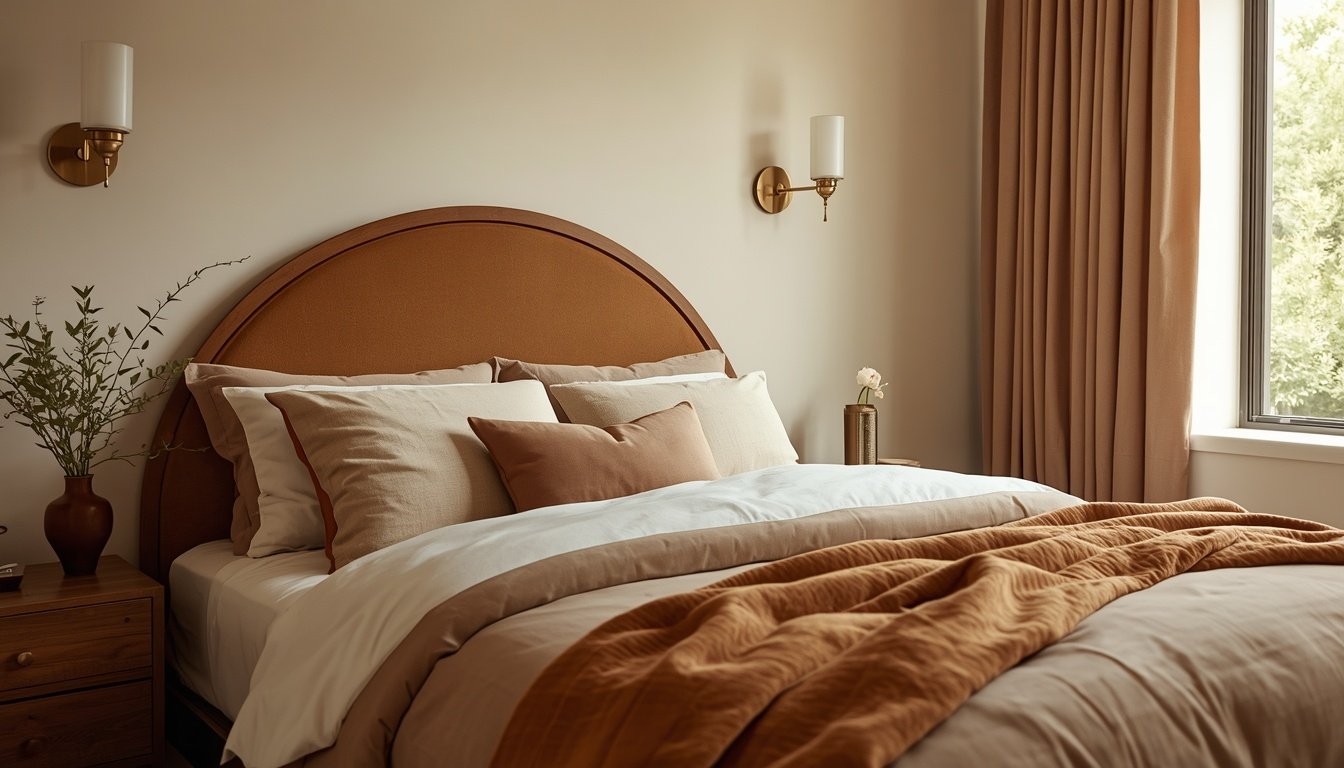
After: Warm and Layered. Swap in a curved wood headboard, add a woven jute rug, layer in a chunky knit throw, and switch overhead lighting for a pair of brass sconces. Same square footage, completely different feeling.
Before: Cluttered and Chaotic. Open shelving stacked with random items, mismatched art frames, and blinds that never quite close all the way.
After: Calm and Intentional. Closed storage baskets replace the open shelving, one large statement art piece replaces the mismatched frames, and floor-length linen drapes replace the old blinds. The room instantly feels bigger and more put-together.
Small, targeted changes – not a full gut renovation – make the biggest difference here.
Common Mistakes to Avoid When Styling a Plain Master Bedroom
Before you start, watch out for these common style traps:
- Overcrowding nightstands with too many items – keep it to a lamp, a book, maybe a small tray
- Matching everything too perfectly – a little variation in tone and texture looks more intentional than a matched set
- Ignoring scale – furniture that’s too small or too large for the room throws off the whole balance
- Skipping layered lighting – one overhead fixture is never enough for a stylish bedroom
- Forgetting the ceiling – a plain white ceiling is a missed opportunity for paint, wallpaper, or exposed beams
Frequently Asked Questions
How do I make my master bedroom cozy without making it feel cluttered? Focus on texture, not volume. One chunky throw, a soft rug, and warm lighting will make a room feel cozy far more effectively than filling every surface with decor. Cozy comes from how a room feels, not how much is in it.
What colors make a bedroom look luxurious? Deep, warm neutrals – think charcoal, espresso brown, or a rich sage green – paired with metallic accents like brass or gold tend to read as luxurious. Avoid stark white-on-white, which can feel clinical rather than upscale.
How can I make my bedroom look expensive on a budget? Prioritize the bed and lighting first – these have the biggest visual impact. A statement headboard, layered lighting, and floor-length drapes will do more for the “expensive” look than buying a dozen small decor pieces.
Do I need to hire a designer to pull this off? Not at all. Every idea on this list is something you can execute yourself, in stages, over a weekend or two. The key is prioritizing one or two changes at a time rather than trying to overhaul everything at once.
Final Thoughts: Small Changes, Big Style Impact
Turning a plain master bedroom into the most stylish room in your house doesn’t require a massive budget or a full renovation. It requires intention – layering textures, choosing a grounded color palette, upgrading your lighting, and finishing with a few personal touches that make the space feel like yours.
Start with one or two changes from this list – maybe swap your blinds for drapery, or finally fix that overhead-lighting-only situation. Small shifts add up fast, and before you know it, your bedroom won’t just be a place you sleep. It’ll be the room you actually want to spend time in.
And honestly? Once you make that first change, you’ll probably want to keep going. That’s how most stylish bedrooms actually happen – not in one giant weekend renovation, but in small, deliberate upgrades that build on each other over time. Pick your starting point, and get going 🙂