13 Gas vs Wood Fire Pit Truths to Decide Faster (2026)
If you’ve ever stood in a patio store staring at both options, you’re not alone. The gas vs wood fire pit debate trips up almost every buyer — because both give you flames, but they deliver completely different evenings.
The good news? The right choice depends on five honest factors: your budget, how much maintenance you’ll tolerate, your local rules, and whether you want a push-button flame or a crackling ritual. This guide breaks all of them down with real price ranges, so you can buy once and love it for years.

Key Takeaways
- Wood fire pits cost less upfront ($150–$800) but gas pits win on daily convenience — flip a switch and you’re done.
- Wood burns hotter (roughly 2–3× the heat radius of most gas pits), making it better for cold nights with a crowd.
- Gas has zero smoke, ash, or sparks — the single biggest reason busy families and apartment dwellers choose it.
- Many cities, HOAs, and fire-prone regions restrict or ban wood burning; check local rules before buying anything.
- Year-round fuel costs are surprisingly close: seasoned firewood runs $100–$300 per season, propane refills $150–$350.
- If you love the crackle and don’t mind the work, get wood. If you’ll use it twice a week, get gas — convenience is what actually gets a fire pit lit.
Gas vs Wood Fire Pit at a Glance
| Factor | Wood Fire Pit | Gas Fire Pit |
|---|---|---|
| Upfront cost | $150–$800 | $400–$3,000+ (installed) |
| Heat output | Higher, wider radius | Moderate, consistent |
| Maintenance | Ash, soot, wood storage | Almost none |
| Smoke | Yes — clothes, hair, neighbors | None |
| Start-up | 10–15 min fire building | Instant |
| Best for | Cold nights, big groups, ritual lovers | Busy families, small patios, decks |
| Worst for | Smoke-sensitive areas, strict HOAs | Big-budget-free projects, rustic vibe purists |
1. Gas vs Wood Fire Pit Upfront Cost: The Honest Numbers
A simple steel wood-burning bowl runs $150–$400, while a handsome cast-iron or copper fire pit lands at $500–$800. Masonry wood pits are the splurge: $1,000–$5,000 with installation. Gas flips the script — a portable propane pit starts around $400–$700, but a plumbed natural-gas unit with professional installation runs $1,500–$3,000+, including the gas line. In my experience, most buyers compare bowl-to-bowl prices and skip the installation math — and that’s where gas surprises people. Wood wins on upfront cost, full stop.

2. Heat Output: Which Fire Pit Actually Keeps You Warm
Here’s where wood earns its reputation. A wood fire can push 30,000–100,000+ BTUs depending on size and wood type, warming a 10–15 foot radius on a chilly night. Most residential gas fire pits top out at 30,000–60,000 BTUs, with a noticeably smaller comfort zone — fine for four people pulled in close, chilly for eight spread around it. If your autumn evenings drop below 50°F and you host crowds, wood genuinely keeps everyone warmer. But don’t dismiss gas: its heat is steady with no cold spots between log tosses.
3. Maintenance and Cleanup: Ash vs Almost Nothing
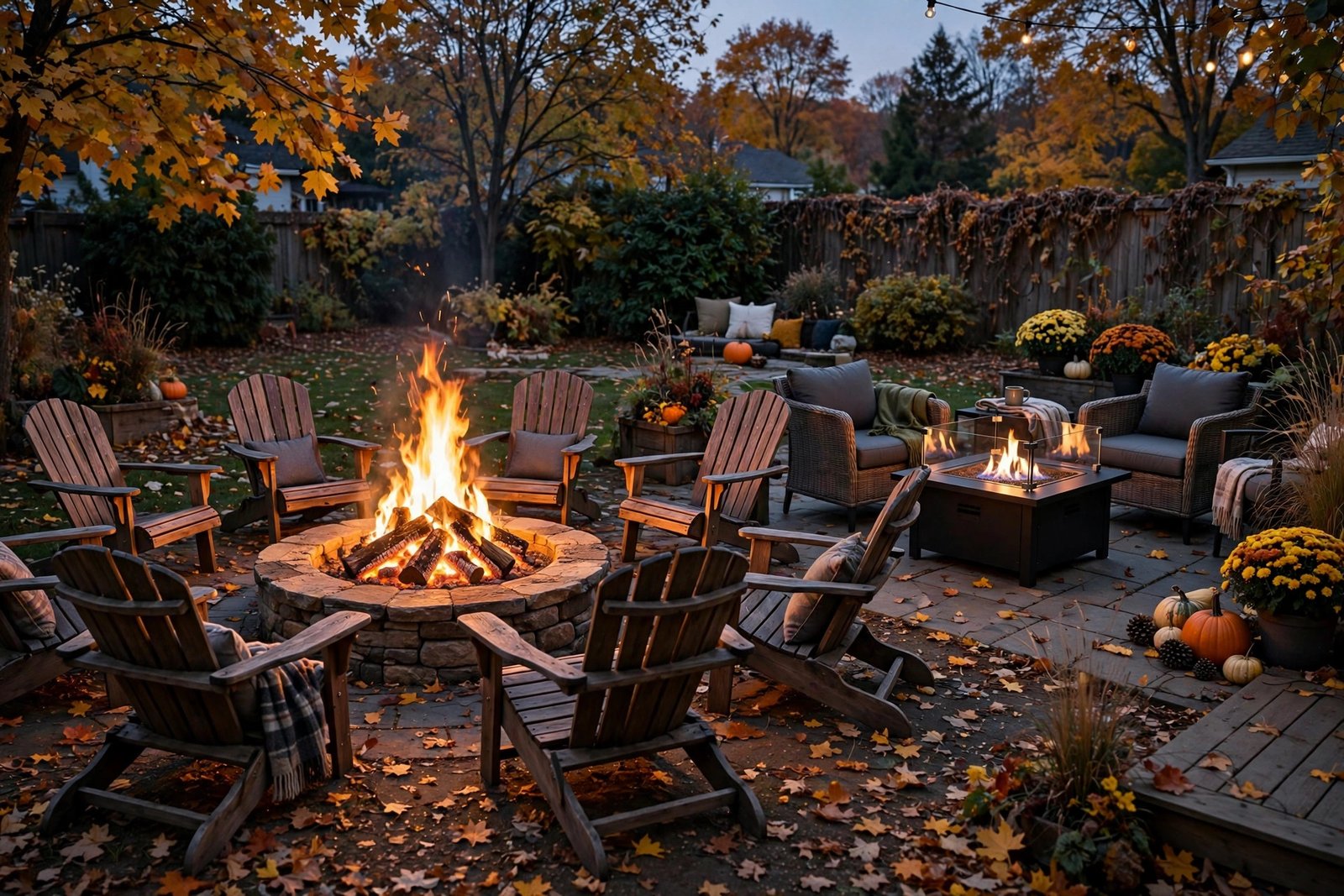
Wood fire pits demand a relationship. You’ll scoop ash after every few burns (a 20-minute chore), scrub soot off the bowl monthly, and store a wood pile somewhere dry — seasoned firewood alone needs a $60–$150 log rack and a covered spot. Gas fire pits need a wipe-down now and then and a burner check once a season. That’s it. Honestly, this is the factor most people underestimate. I’ve found that the pit you maintain easily is the pit you use — and low-friction wins for most households.
4. Smoke, Sparks, and the Smoky-Clothes Problem
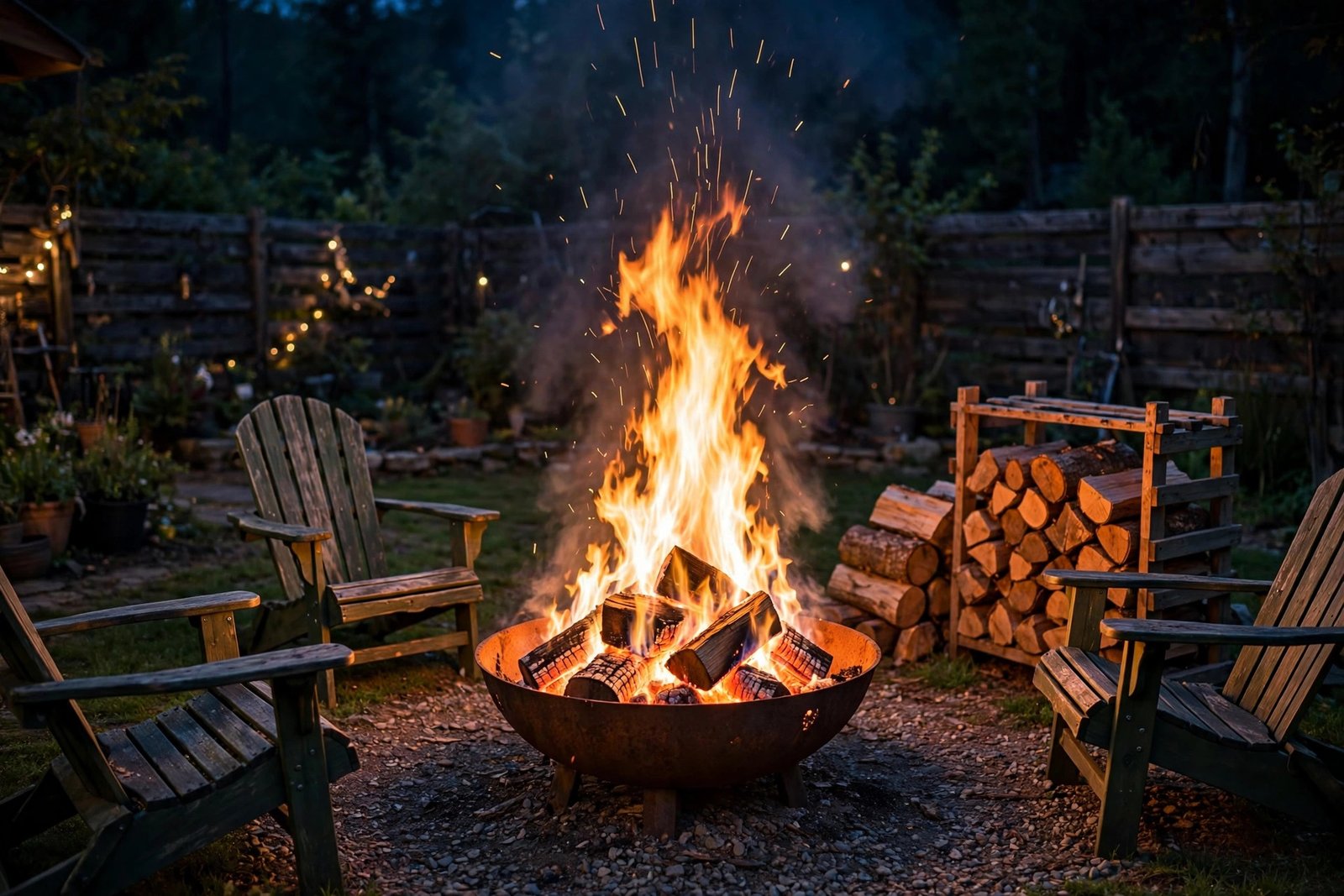
Wood means smoke — drifting toward your house, your neighbor’s laundry, and every guest’s hair and jacket. A spark screen ($30–$80) cuts down embers but not the smell. If anyone in your household has asthma or smoke sensitivity, or if your lots sit close together, this alone can settle the debate. Gas burns clean: no smoke, no sparks, no smoky clothes to toss in the wash. Who should skip wood: anyone in a tight subdivision, wildfire-prone area, or with lung sensitivities. Gas is simply the considerate choice there.
5. Permits, HOAs, and Burn Ban Rules
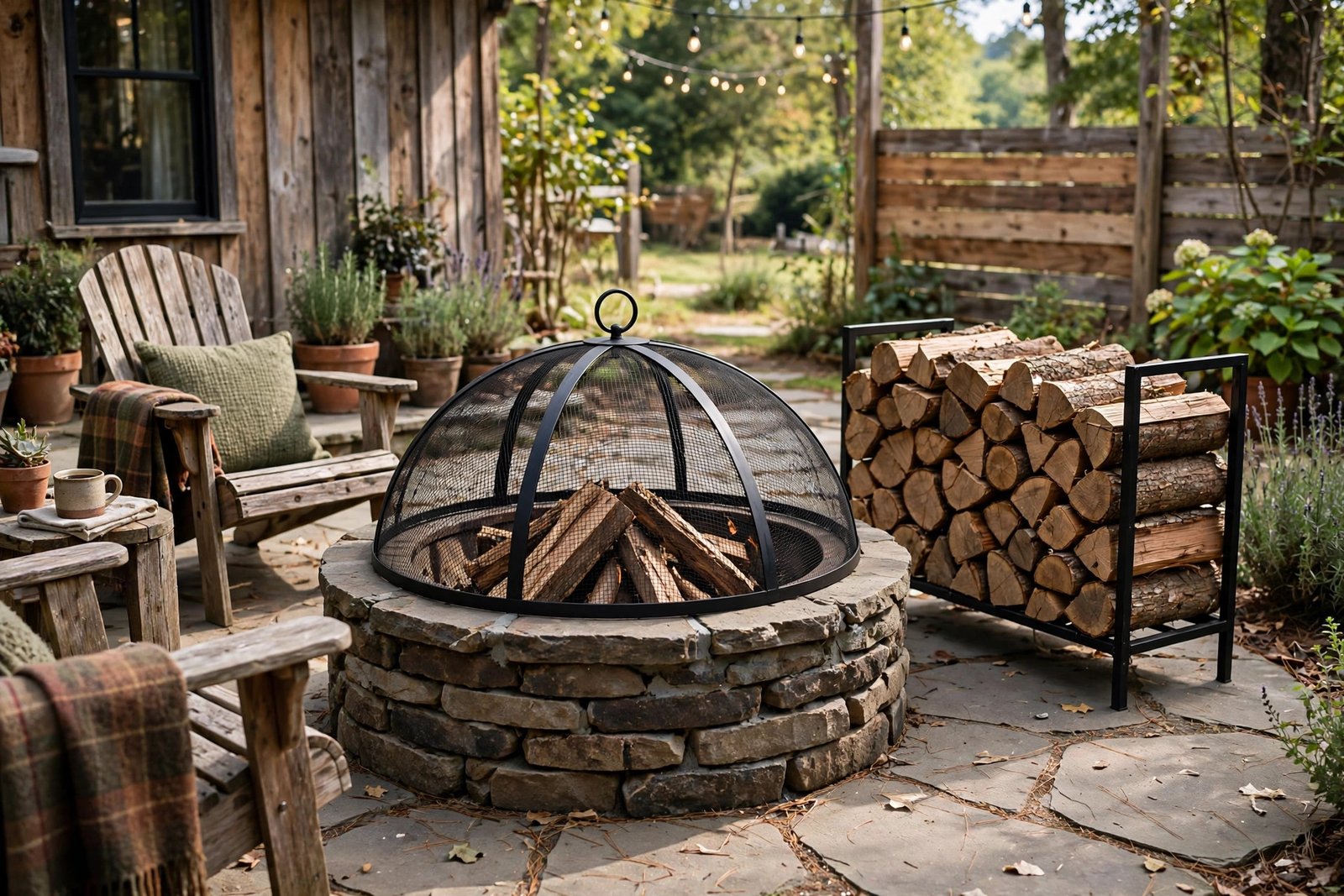
Before you fall in love with either option, check your local rules. Many HOAs ban open wood fires outright while allowing gas; fire-prone regions issue seasonal burn bans that make wood pits unusable for months; and some cities require a $25–$75 permit even for portable pits. Gas pits usually face lighter restrictions because they’re contained and extinguishable. Tip: call your local fire department’s non-emergency line before buying — it takes five minutes and has saved countless buyers from an expensive mistake.
6. Gas vs Wood Fire Pit Convenience: Instant Flame or the Ritual
This is the lifestyle question. A gas fire pit lights with a push button in seconds and dies the moment you turn it off — perfect for weeknight s’mores, quick hangs, and spontaneous use. Wood takes 10–15 minutes of building, tending, and nursing before it’s glowing, and another 30–60 minutes of cool-down where you can’t just leave. Some people adore the ritual; most busy families discover they light a gas pit twice as often because there’s zero friction. Be honest about your actual weeknights, not your fantasy ones.
7. Ambiance: Crackle, Glow, and Real-Fire Magic
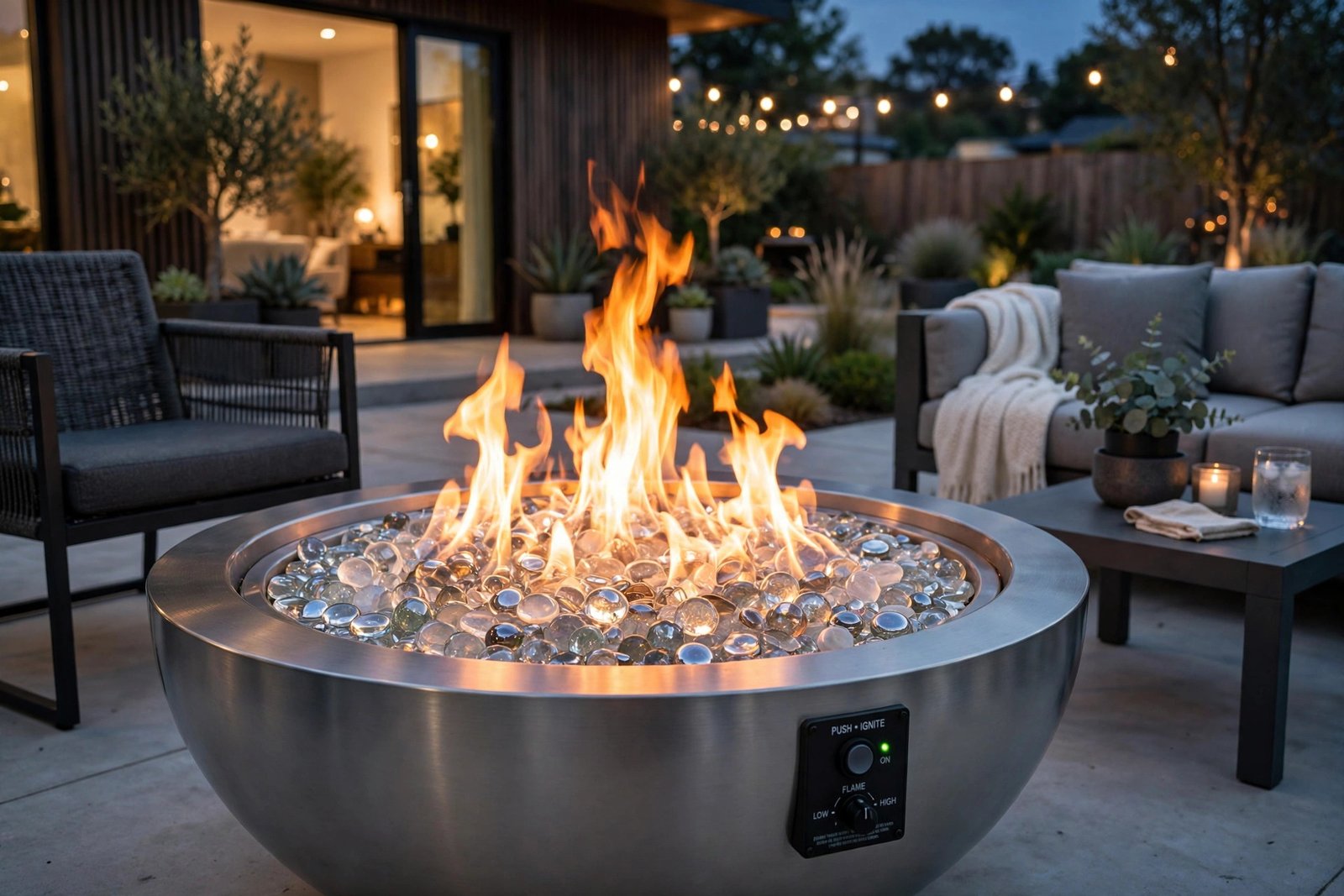
Nothing fakes a wood fire — the crackle, the shifting flames, the woodsy smell, the drama of a big blaze. Gas flames are prettier than they used to be, especially with glass fire beads ($40–$100) or ceramic logs, but they look controlled and uniform by comparison. If your fire pit is the event — the reason everyone’s gathering — wood delivers the atmosphere. If the pit is just background warmth while you chat and eat, gas is plenty. Decide whether you’re buying a campfire experience or a cozy appliance.
8. The Real Yearly Fuel Bill
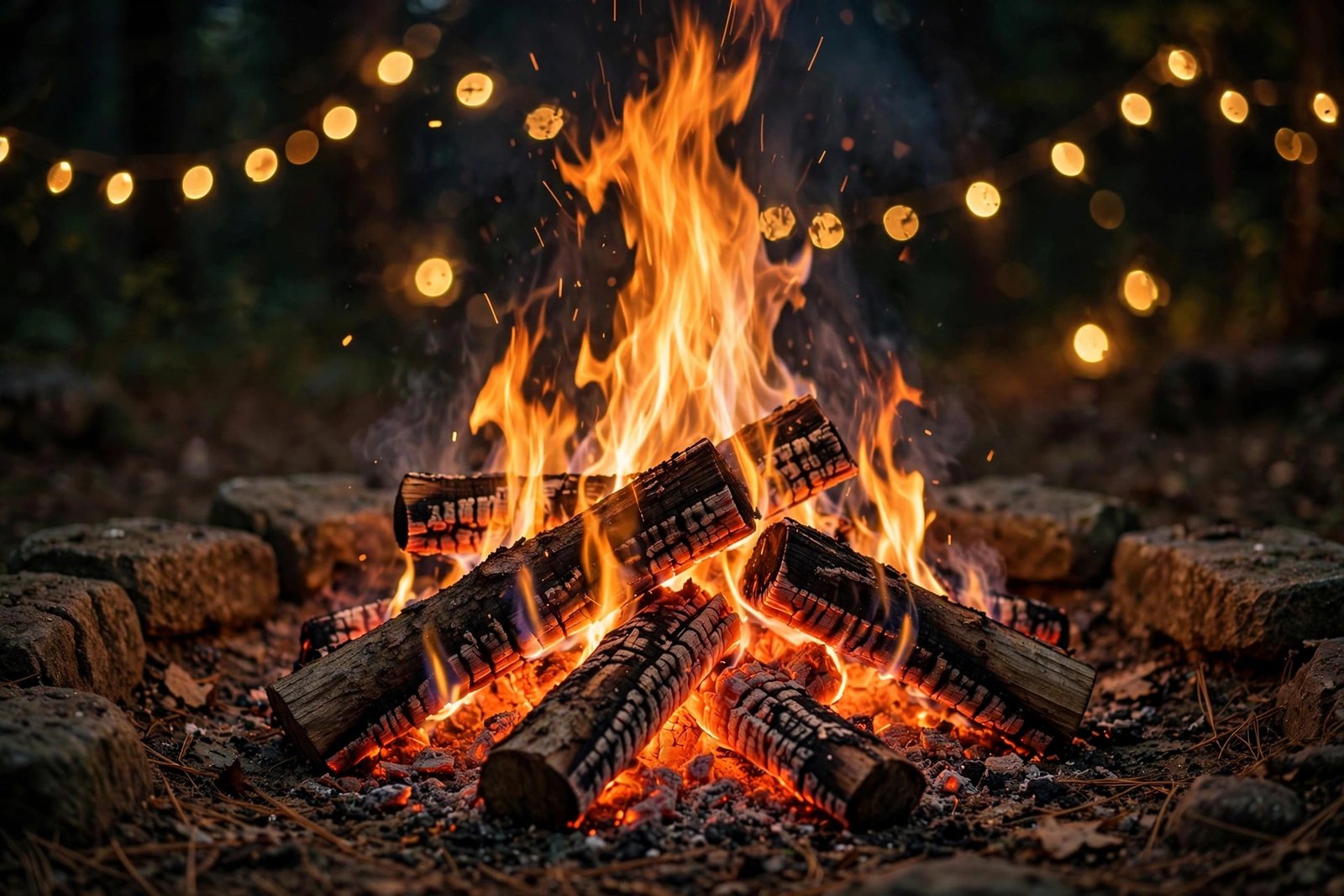
Run the numbers honestly. Seasoned firewood costs $100–$300 per season (a face cord runs $80–$150 in most regions), though “free” wood from your own trees costs your time instead. Propane refills run $20–$30 per 20-lb tank, and a season of regular use goes through 5–10 tanks ($150–$350). Natural gas is cheapest of all — roughly $50–$120 per season if plumbed in. First-year totals usually favor wood; by year three, a plumbed natural-gas pit often becomes the cheapest to run. Don’t forget the hidden wood costs: the log rack, a cover ($30–$60), and kindling.
9. Placement: Decks, Patios, and Portability
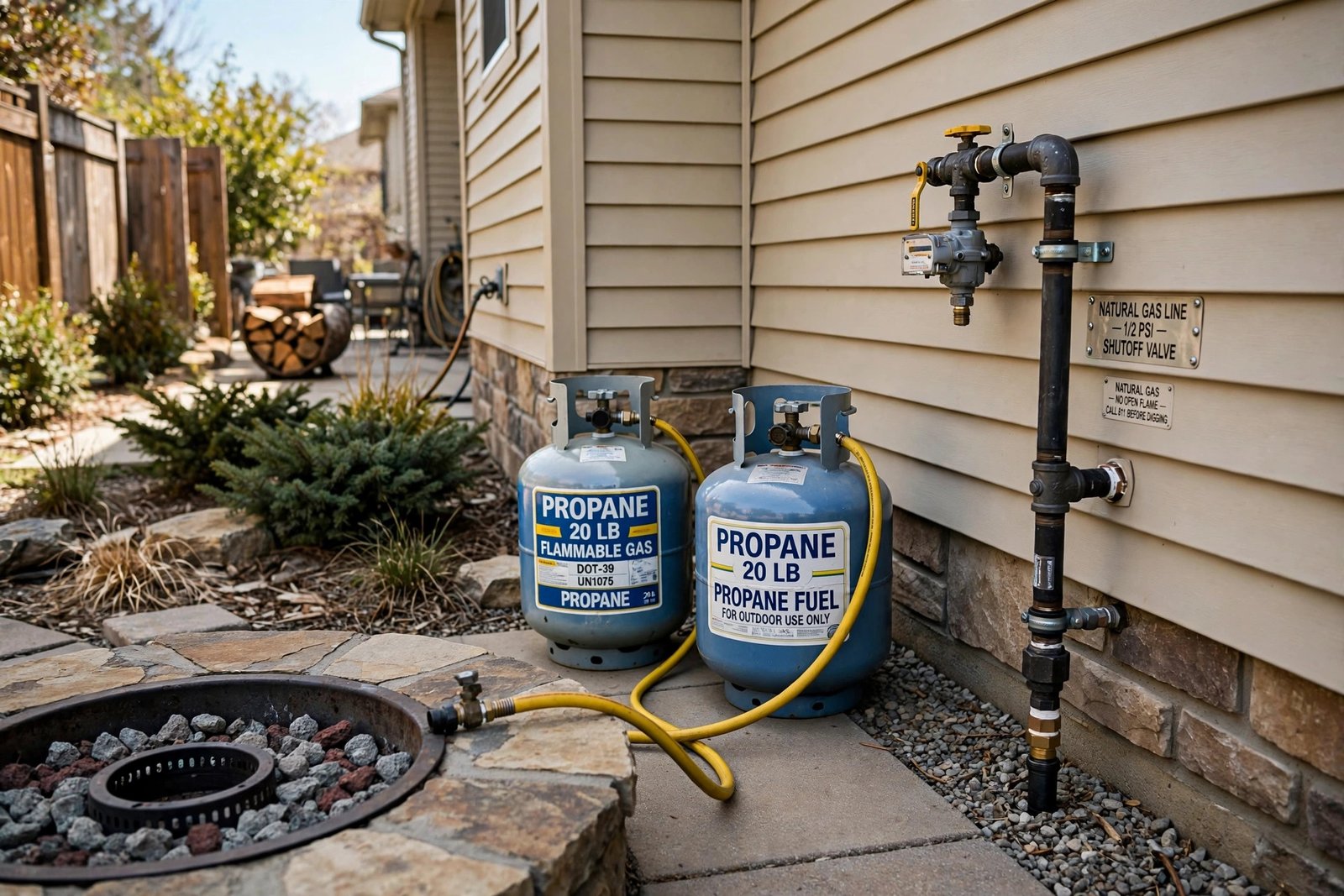
Portable wood fire bowls ($150–$400) go anywhere with safe clearance — and move with you if you rent or relocate. Gas splits into two camps: portable propane pits ($400–$700) are similarly flexible, while natural-gas units are fixed for life once plumbed ($1,500–$3,000 installed). Crucially, gas is the only option most building codes allow on wood decks and rooftop patios, where wood fires are typically banned. Tip: if you’re a renter, portable is your only play — and gas gives you deck-safe options wood never will.

10. Safety With Kids, Pets, and Late Nights
Both fire pits demand respect, but the risk profiles differ. Wood pits throw sparks, hide hot coals for hours after the flames die, and invite curious kids to poke logs. Gas flames extinguish instantly — one turn and it’s off, cool within minutes. Gas does carry a small gas-leak risk (check connections seasonally) and needs a carbon-monoxide-aware placement in semi-enclosed patios. In my experience, families with toddlers or dogs sleep better with gas. Whichever you choose, keep a 10-foot clearance from structures and never leave it unattended.
11. Wind and Weather Performance
Wind is wood’s enemy and gas’s mild annoyance. Gusts send wood smoke sideways into faces and scatter embers, while gas flames just flicker and need a wind guard ($40–$120) in exposed spots. Rain kills both, obviously — but wood pits left uncovered rust fast, while quality stainless or aluminum gas pits shrug off weather with a $40–$80 cover. Cold performance favors wood (bigger heat), but windy exposed backyards favor gas. If your yard funnels wind, gas with a tempered-glass wind guard is the calmer, safer pick.
12. Style Match: Modern Minimal vs Rustic Campfire
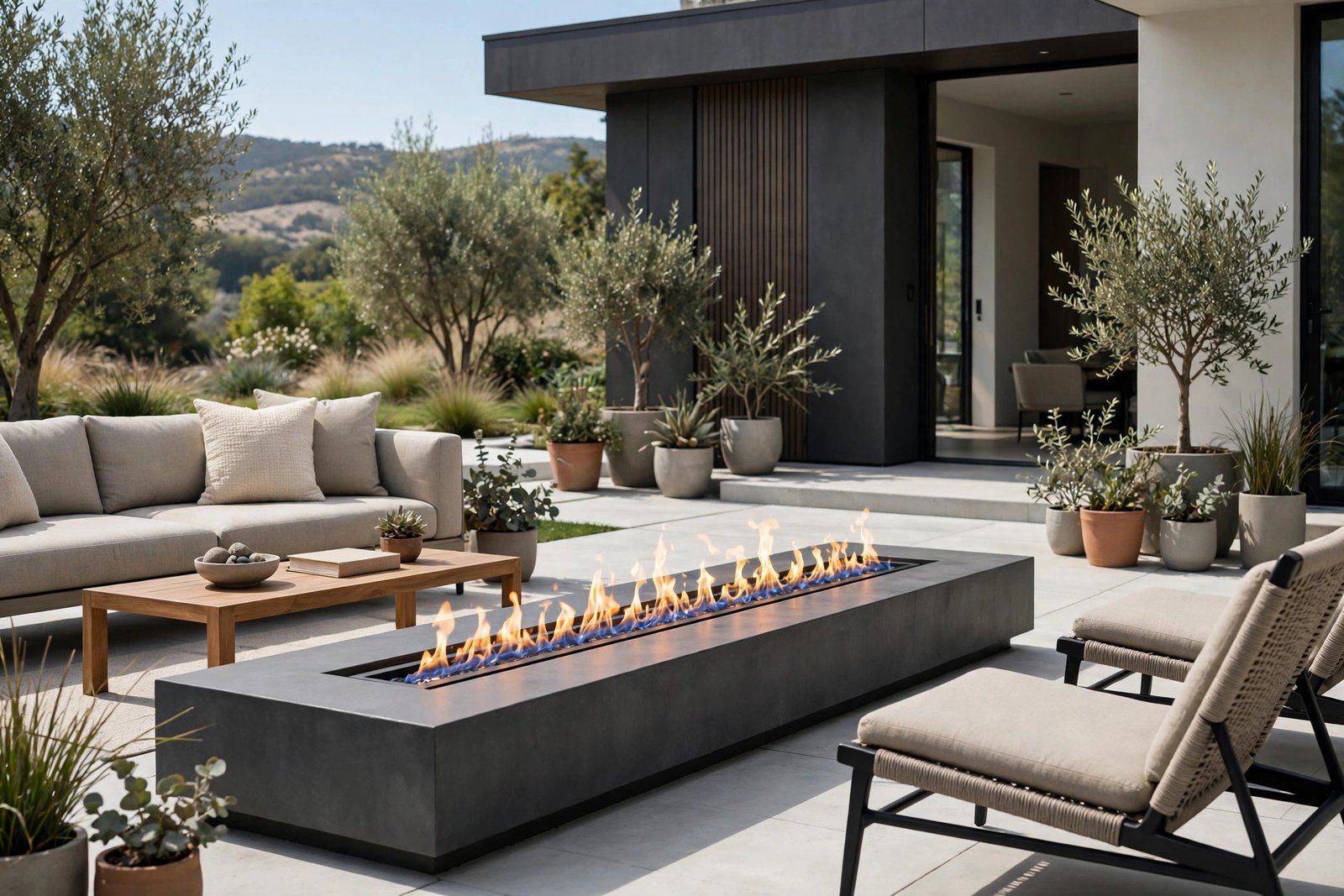
Design-wise, the two skew differently. Gas fire pits lean modern: clean concrete bowls, linear troughs, and fire tables ($700–$2,500) that double as coffee tables — perfect with sleek outdoor sectionals. Wood pits lean rustic: copper bowls with patina, hammered steel, chiminea shapes ($200–$900) that suit farmhouse and boho yards. That said, both come in crossover styles now — modern wood bowls and rustic gas tables exist. Match the pit to the furniture you already own, not the other way around; a style clash is the most common post-purchase regret I see.
13. Gas vs Wood Fire Pit: My Honest Verdict
So which should you buy? Choose wood if: you love the ritual, host big cold-weather crowds, have space for wood storage, and your area allows open burning. Choose gas if: you want weeknight convenience, have kids or pets, live on a deck or under HOA rules, or hate smoke and cleanup. And here’s the opinionated take: most buyers think they want wood’s romance but actually live a gas lifestyle — buy for the evenings you’ll really have, not the ones you imagine. Either way, you’ll gather outside more often, and that’s the whole point.
Mistakes to Avoid When Choosing a Fire Pit
- Buying before checking local rules — a $700 wood pit you can’t legally burn is an expensive planter.
- Ignoring the gas-line quote — natural gas installation ($800–$2,000 alone) can double your budget; get the quote first.
- Sizing for looks, not heat — a tiny 24-inch bowl won’t warm six people; match BTU output to your crowd size.
- Skipping the cover — a $40 cover doubles any pit’s lifespan, yet most buyers forget it.
- Storing firewood against the house — keep stacks 30+ feet out; they’re termite and rodent invitations.
Frequently Asked Questions
Is a gas fire pit cheaper than a wood fire pit overall?
Wood is cheaper upfront ($150–$800 vs $400–$3,000+ for gas), and yearly fuel costs are similar — $100–$300 for wood versus $150–$350 for propane. Natural gas, once plumbed in, is cheapest to run long-term at roughly $50–$120 per season. Factor installation before comparing.
Do gas fire pits put out enough heat?
Most residential gas fire pits produce 30,000–60,000 BTUs — enough to warm four people pulled in close. They run cooler than wood fires (which reach 30,000–100,000+ BTUs), so for large groups or very cold nights, wood has the clear heat advantage.
Can I use a fire pit on a wood deck?
Gas fire pits — especially portable propane models — are usually the only code-compliant option on wood decks and rooftops. Wood-burning pits are banned on most combustible surfaces by local fire codes. Always confirm with your local fire department and use a heat shield.
Which fire pit is safer for kids and pets?
Gas is generally safer for families: flames extinguish instantly with a knob turn and cool within minutes. Wood pits throw sparks and hide hot coals for hours after the fire dies. Either way, keep a 10-foot clearance from structures and never leave a lit pit unattended.
Love the Flame? Keep Exploring
Style the whole space with these outdoor living and patio ideas, pair a hearth with your screen via our TV wall with fireplace ideas, or furnish the patio cheaply with these thrift store furniture makeover ideas.