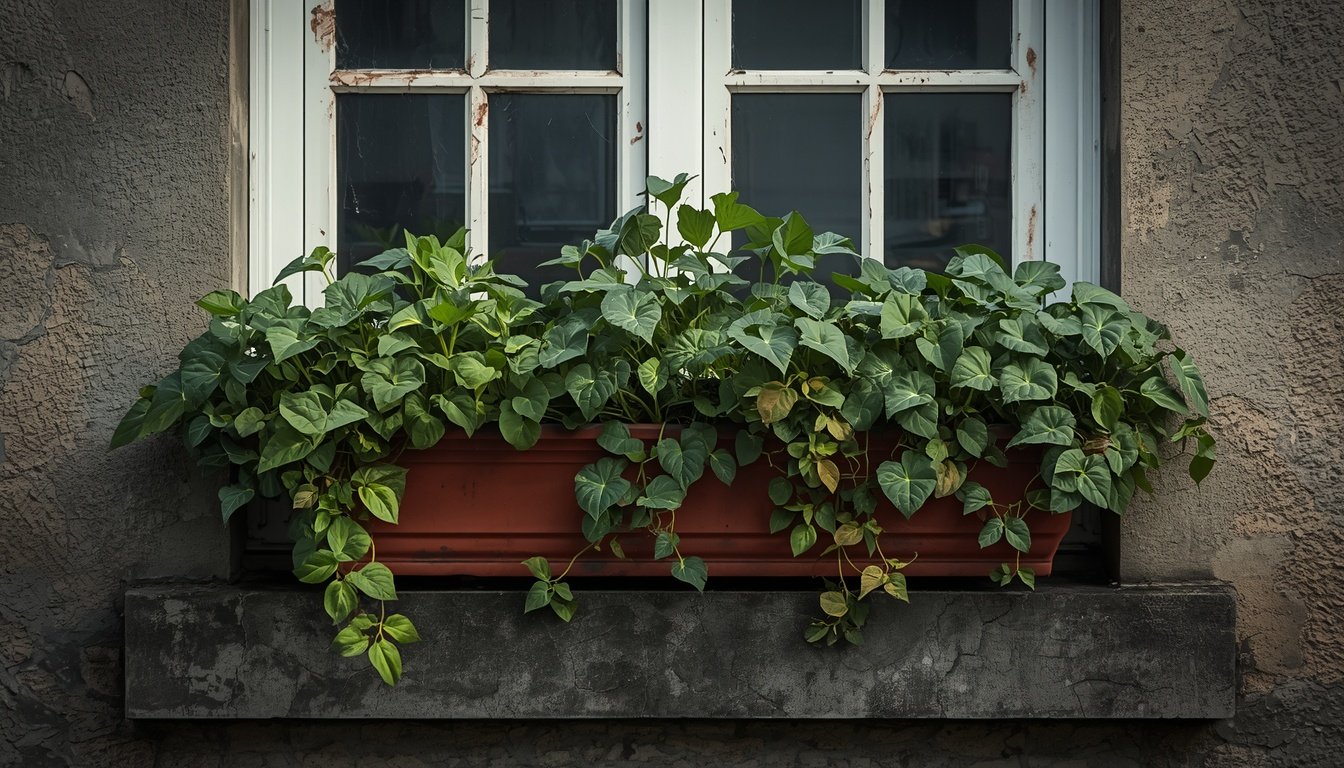
Winter Window Box Ideas That Bring Curb Appeal Through the Cold Months
Winter doesn’t have to mean bare, empty windowsills. With the right mix of greenery, texture, and a bit of holiday flair, winter window box ideas can turn a dull facade into the most-talked-about feature on the block.
Whether you’re working with a tight budget or want a full DIY winter window box project, there’s a style here that fits your home and your climate zone.
What Makes a Winter Window Box Work

Unlike summer arrangements bursting with blooms, a good winter box leans on shape and texture instead of color alone. Structure carries the display when flowers fade, so height, shape, and contrast become the real stars of the show.
Think of it like dressing for cold weather. You layer instead of relying on one statement piece, and the same logic applies to plants and accents in a winter container gardening setup.
Structure Over Bloom
Evergreen branches, twigs, and dried grasses hold their shape for months without wilting. They give the box a backbone, something summer flowers rarely provide once temperatures drop.
Layering Textures and Heights
Mixing spiky conifer branches with soft trailing vines and rounded pinecones creates visual depth. A box with only one texture reads flat, even if it’s technically full.
Color Palettes That Survive Frost
Deep greens, silvery blues, and burgundy reds hold up beautifully against snow and gray skies. These tones photograph well too, which matters if you’re chasing that Pinterest-worthy curb appeal shot.
Evergreen and Foliage-Based Winter Window Box Ideas

Evergreen boughs are the backbone of nearly every winter display, and for good reason. They’re affordable, they last through the coldest months, and they pair with almost any accent style you choose.
Mixing a few varieties of foliage instead of sticking to one type instantly upgrades the look. Cedar, boxwood, and holly each bring a slightly different shade of green and a different needle or leaf shape, so the box reads as designed rather than grabbed off one bush.
Classic Greenery Mixes
Combining cedar, pine, and boxwood cuttings gives a full, layered base that costs almost nothing if you already have these growing in the yard.
Dwarf Conifers for Height
Dwarf conifers planted directly in the container add year-round structure and survive freezing temperatures far better than annual flowers ever could.
Trailing Vines for Softness
Ivy or winter foliage vines spilling over the edge soften the box’s hard lines and stop it from looking stiff or boxy.
Festive and Holiday-Themed Window Box Styles

For homeowners who want their window box to double as holiday decor, this is where the fun really starts. Ribbon, ornaments, and small string lights transform a plain evergreen base into a full seasonal statement.
The trick is restraint. One or two accent colors, repeated consistently across every box on the house, look far more polished than a dozen competing ornaments crammed into one container.
Berries and Ribbon Accents
Red berries and ribbon woven through greenery add a pop of color without needing a single fresh flower.
Candles and Lantern Displays
Battery-operated candles or small lanterns tucked among the branches create a warm glow for evening curb appeal, especially on shorter winter days.
Rustic Wood and Wicker Looks
Swapping a plastic planter for a rustic wood crate or wicker basket liner instantly shifts the whole display toward a farmhouse or cottage aesthetic.
Budget-Friendly Winter Window Box Ideas
You don’t need a professional florist’s budget to pull off a stunning display. Most of the best budget winter window box ideas come from materials already sitting in your yard or garage.
Trimmings from holiday tree lots, fallen branches after a windstorm, or leftover ribbon from gift wrapping all work as filler. The goal is texture and volume, not expensive specimen plants.
Repurposing Yard Trimmings
Pruned branches from junipers, spruces, or even fruit trees add free structure and volume to any box.
Dollar-Store and DIY Accents
Faux berries, pinecones, and ornaments from a discount store cost a fraction of florist-grade versions and hold up just as well outdoors.
Reusing Summer Containers
The same container gardening pots used for summer annuals work fine in winter with a fresh layer of greenery and mulch.
Choosing the Right Plants for Cold Climates

Not every plant survives a hard freeze, so matching your selections to your USDA zone matters more in winter than any other season. Cold-hardy plants for winter displays need to tolerate both frost and, in some regions, heavy snow load.
| Plant Type | Cold Tolerance | Best Use in Box |
|---|---|---|
| Dwarf Alberta Spruce | Excellent (zones 2-6) | Center height piece |
| Heuchera | Good (zones 4-9) | Color accent, edges |
| Boxwood cuttings | Excellent (zones 5-9) | Base filler, structure |
| Pansies | Fair (zones 6-9, mulched) | Occasional color pop |
Cold-Hardy Evergreens
Spruce, juniper, and cypress varieties handle freezing nights without dropping needles, making them the safest long-term anchor plants.
Winter-Blooming Options
In milder zones, pansies and hellebores can survive light frost and add a rare touch of real color to an otherwise green-and-brown palette.
Plants to Avoid in Freezing Zones
Tropical foliage and tender annuals turn to mush after the first hard freeze, wasting both money and effort if planted too early.
How to Build a Winter Window Box Step by Step

Building a display that lasts through the season starts with the right base, not the prettiest branch you can find. Good drainage and secure anchoring matter more here than in summer, since freeze-thaw cycles can crack poorly prepared containers.
Once the base is set, the actual arranging follows a simple layering formula that florists and landscapers rely on year-round, just adapted for cold-season materials.
Prepping the Container and Soil
Choose a frost-resistant container and use a well-draining potting mix, since trapped water expands and cracks pots when it freezes.
Layering Thriller, Filler, Spiller
Place your tallest branch or plant first, pack shorter greenery around the base, then add trailing vines or ribbon along the edges to soften the line.
Securing Against Wind and Snow
Anchor tall branches with floral wire or garden stakes pushed into the soil, since winter wind gusts can topple an unsecured arrangement overnight.
Maintaining Your Window Box Through Winter

A common myth is that winter boxes need zero upkeep once they’re built. In reality, a little attention every few weeks keeps the display looking fresh through January and February.
Freezing temperatures change watering needs completely, and heavy snowfall can physically bend or snap branches if left unchecked after a storm.
Watering in Freezing Temperatures
Water only when the soil isn’t frozen solid, and always water earlier in the day so moisture doesn’t freeze overnight around the roots.
Protecting Against Snow Damage
Gently brush heavy snow off branches after a storm to prevent breakage, especially with brittle evergreen cuttings.
Refreshing Wilted Sections
Swap out any browning or wilted greenery every few weeks to keep the whole box looking full and intentional.
Common Winter Window Box Mistakes to Avoid

Even experienced gardeners run into the same handful of pitfalls when the weather turns cold. Most of these mistakes come down to rushing the setup instead of planning for the season ahead.
“The biggest mistake homeowners make with winter containers is treating them like summer pots. Cold-season displays need different drainage, different anchoring, and different plant choices entirely.” — Landscape designer, home and garden trade publication
Overcrowding the Container
Packing too many branches into one box blocks airflow and traps moisture, which can encourage rot even in cold weather.
Ignoring Drainage in Cold Weather
Poor drainage causes standing water to freeze and expand, cracking containers and damaging roots underneath.
Skipping Wind Protection
Unsecured arrangements often end up scattered across the yard after the season’s first real windstorm.
Indoor vs Outdoor Window Box Displays

Some homeowners assume window boxes only work outdoors, but an indoor plant display version can extend the look to windowsills that don’t have exterior mounting options.
| Feature | Indoor Display | Outdoor Display |
|---|---|---|
| Watering frequency | Weekly | Every 2-3 weeks (cold slows evaporation) |
| Plant hardiness needed | Low | High (zone-appropriate) |
| Weatherproofing required | None | Frost-resistant container essential |
| Best for | Apartments, no exterior mount | Homes with window ledges or brackets |
When Indoor Boxes Make Sense
Apartments or homes without exterior mounting brackets can still get the look with a lined box set directly on an interior sill.
Weatherproofing for Outdoor Boxes
Outdoor containers need drainage holes, a frost-resistant material, and secure mounting brackets rated for the box’s full watered weight.
Matching Style to Window Type
A tall, narrow window suits a slim vertical arrangement, while a wide picture window can handle a fuller, more layered display.
FAQs About Winter Window Box Ideas
What to put in window boxes during winter?
Evergreen branches, dried grasses, pinecones, and berries work best, since they hold shape and color without needing bloom.
What plants can you put in planter boxes in the winter?
Dwarf conifers, boxwood, heuchera, and winter pansies all tolerate cold well when matched to your USDA zone.
How to overwinter window boxes?
Switch to frost-resistant containers, cut back watering to once every two to three weeks, and swap tender annuals for cold-hardy evergreens before the first freeze.
What is the best plant for window boxes all year round?
Dwarf Alberta Spruce is a top pick, since it holds structure and color through every season with minimal upkeep.
Final Thoughts
A well-built winter window box brings warmth and personality to a home when nearly everything else outside looks dormant. Focusing on cold-hardy evergreens, smart layering, and a few festive accents turns even the simplest container gardening setup into a genuine curb appeal upgrade. Whether the goal is a full holiday decor statement or a quiet, elegant greenery display, the right combination of structure and texture makes it last the whole season through.