10 Full-Sun Perennials for Low-Maintenance Container Gardens
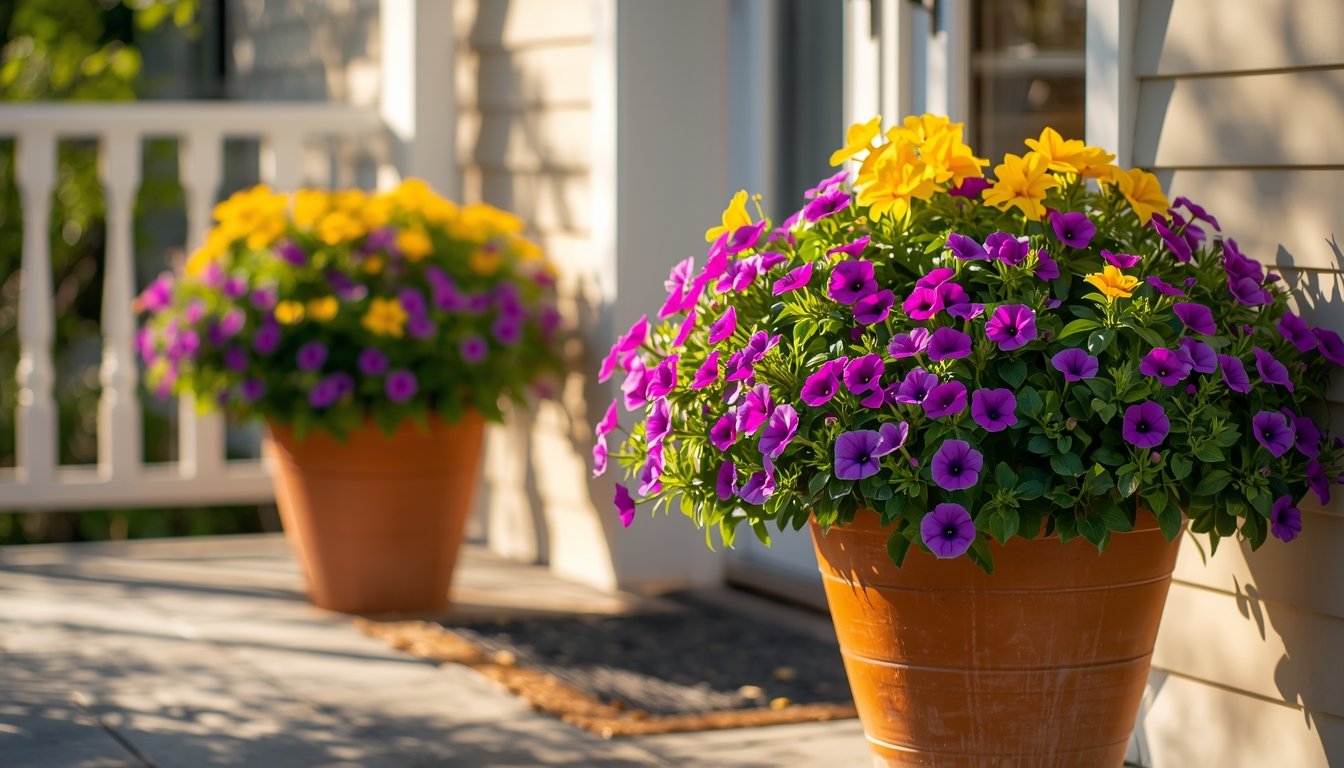
There’s something really satisfying about a pot overflowing with color sitting on your front steps or patio — especially when you barely have to touch it all summer. If you’ve struggled to keep container plants alive in a hot, sunny spot, you’re not alone. I’ve killed more than a few gorgeous arrangements by picking the wrong plants for the wrong spot. But once I switched to full-sun perennials that actually thrive in containers, everything changed.
The trick is not working harder. It’s working smarter — choosing plants that love the sun instead of fighting it.
These Pots Do the Work So You Don’t Have To
Most people reach for annuals when they’re putting together container gardens. And hey, annuals are beautiful. But perennials? They come back. You plant them once, you tuck them in for winter, and they show up again in spring like a loyal friend. Pair that with a full-sun tolerance and you’ve got a combination that’s practically designed for busy people or anyone who just wants a gorgeous yard without a daily watering schedule drama.
Let’s talk about the ones worth your time.
1. Lavender
Lavender in a pot is one of those things that looks like you spent way more effort than you did. It loves heat. It loves being a little on the dry side. It smells incredible. I have two terra cotta pots flanking my back gate, and my neighbor actually asked me what landscaping service I hired. I didn’t have the heart to tell her it was just lavender and benign neglect.
Use a well-draining potting mix — lavender hates wet feet. A terracotta pot actually works better than plastic here because it breathes.
2. Black-Eyed Susan (Rudbeckia)
These cheerful golden flowers are basically the golden retrievers of the plant world. Happy, enthusiastic, and hard to stress out. They bloom from midsummer into fall, which means your containers stay colorful long after a lot of other things have given up. They handle heat and direct sun without any drama at all.
They look gorgeous paired with something purple — lavender, or even salvia — for that classic cottage garden feel.
3. Salvia
Salvia is one of those plants I wish someone had told me about sooner. It blooms for ages, pollinators go absolutely nuts over it, and full sun makes it happier, not sadder. There are so many varieties — deep purple, red, soft pink — so you can really customize the look of your container garden without much effort.
Deadhead it occasionally (just snip off spent flowers) and it’ll keep blooming. But honestly, even if you forget? It’ll still look decent.
4. Sedums (Stonecrop)
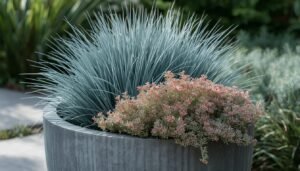
If you’ve ever gone on vacation and come back to find your container garden completely fried, you need sedums in your life. These succulent-type perennials store water in their leaves, which means they can handle a missed watering or five. They come in a huge range of textures and colors — some are trailing, some are upright — so they work well as fillers or spillers in a mixed pot.
Autumn Joy sedum in particular gets this gorgeous dusty pink color as the season changes. It’s one of those plants that looks like you planned it perfectly.
5. Coreopsis (Tickseed)
Little daisy-like flowers in yellow and gold that just keep going and going. Coreopsis is one of the most reliably cheerful plants you can put in a sunny container. It tolerates heat, handles drought once it’s established, and doesn’t require a lot of fussing. Some varieties are actually bred specifically for container life, so look for compact cultivars when you’re shopping.
6. Agastache (Hyssop)
This one’s a little underrated and I think it deserves more love. Agastache has tall spiky flowers in shades of purple, orange, and pink that look incredibly striking in a tall pot or urn. Bees and hummingbirds show up immediately. It smells faintly like anise or licorice, which sounds weird but is actually really pleasant near a seating area.
It’s drought-tolerant once established and genuinely thrives in hot, dry conditions. Basically the opposite of a needy plant.
7. Dianthus (Carnations / Pinks)
Old-fashioned but seriously underestimated. Dianthus blooms early, keeps going through summer heat, and comes in colors ranging from pure white to deep magenta with spicy-clove scent. They stay compact, which makes them perfect for container arrangements where you want something neat and not invasive.
The kind of plant your grandmother would have grown — which honestly just means it’s been proven to work for decades.
8. Catmint (Nepeta)
Catmint is one of those plants that basically apologizes for how easy it is. It spills beautifully over the edge of containers, produces a haze of soft lavender-blue flowers, and tolerates full sun with zero complaints. Cut it back by half after the first bloom and it’ll flush out again for a second show later in the season.
Yes, cats are obsessed with it. If you have outdoor cats or neighborhood visitors, that’s either a bonus or a problem depending on your feelings about cats napping in your pots.
9. Gaura (Whirling Butterflies)
Gaura has this airy, delicate quality that looks expensive and complicated but is actually one of the toughest plants around. The flowers dance in the breeze on long stems, giving container arrangements a soft, meadow-like feel. It blooms from late spring through fall, handles drought well, and doesn’t need much attention at all.
It’s especially stunning in a large urn or tall pot where the stems have room to move.
10. Ornamental Grasses (Compact Varieties)
Not all ornamental grasses are container-friendly — some of them will outgrow a pot in about a season and a half. But compact varieties like Blue Fescue or Hameln Dwarf Fountain Grass? They’re perfect. They add texture, movement, and a structural element to any arrangement. Full sun, minimal water once established, and they look interesting even in winter when everything else has gone dormant.
Mixing a compact ornamental grass into a container with flowering perennials gives you that layered, professional look that garden centers charge a lot for when it’s pre-planted.
A Few Things That Actually Make a Difference
The plants matter, but so does the setup. A few things I’ve learned the hard way:
- Use a pot with good drainage holes — no exceptions, ever
- A quality potting mix meant for containers (not garden soil, which compacts) makes a huge difference
- Bigger pots hold moisture longer, which means less watering in summer heat
- Grouping pots together actually helps them retain moisture and creates a little microclimate
One more thing — even the most drought-tolerant perennial needs consistent watering until it’s settled in. Give it a few weeks to establish roots before you start testing its limits.
Mix and Match Like a Pro
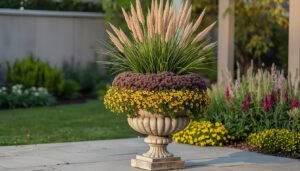
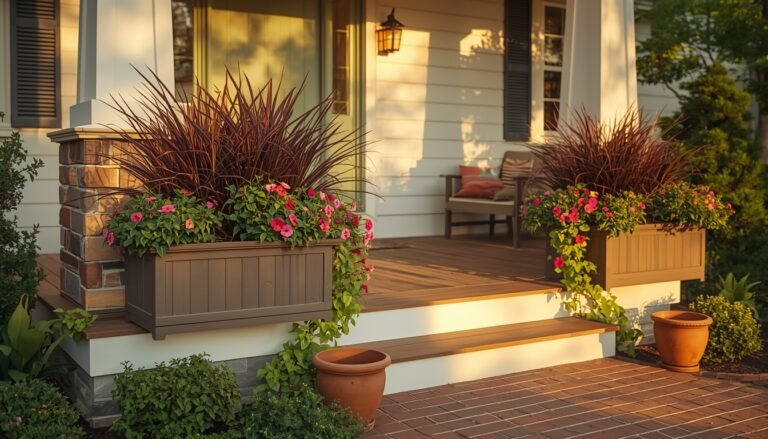
The real magic happens when you combine plants with different heights and textures. A classic formula: one tall or spiky plant, one mounding plant, and one trailing or spilling plant. Think Agastache (tall) + Black-Eyed Susan (mounding) + Sedum (trailing). Instant layered look, all full-sun, all perennial. You’ll be shocked how put-together it looks for how little work it actually takes.
When it comes to styling outdoor planter boxes, this three-layer formula is honestly the same trick professional landscapers use — and it works just as well in a simple terracotta pot as it does in a fancy stone urn.
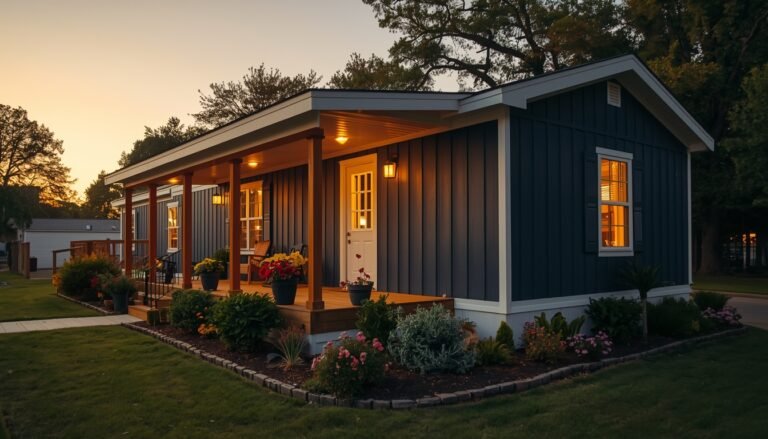
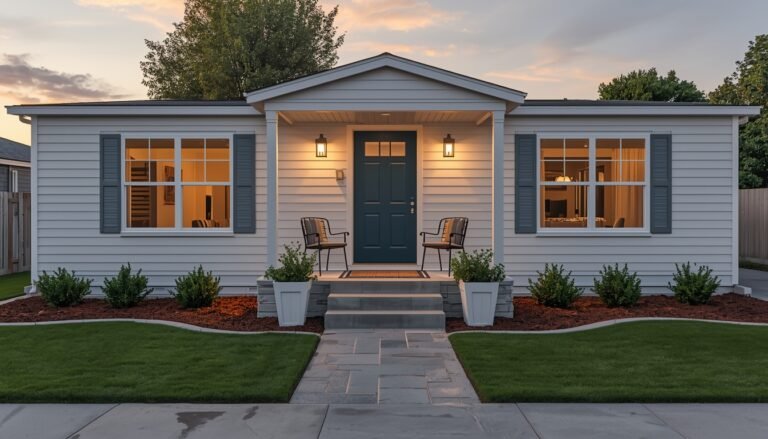
If your front yard design ideas are still coming together, starting with containers is a low-commitment, high-reward way to test colors and plant combinations before committing to anything in the ground. A few well-planted pots can do more than you’d think — and adding curb appeal without a huge project is absolutely possible when you’ve got the right plants doing the heavy lifting.