Mobile Home Design Tricks That Make It Look Like a Real House
Let’s just be honest for a second — mobile homes have a bit of an image problem. People drive by and immediately think “manufactured home” before they even slow down. But here’s what most folks don’t realize: with the right design moves, a mobile home can look so good that guests won’t even guess what it is. I’ve seen it happen. My cousin lives in a double-wide and every single person who visits asks her when she “built the place.” That’s the goal.
The secret isn’t spending a fortune. It’s mostly about knowing which details give it away — and then quietly fixing them one by one.
The Roofline Is Giving Everything Away
This is the big one. Most manufactured homes come with a very low, flat-ish roofline, and that’s what the eye catches first. Adding a roof pitch isn’t cheap, but there are workarounds that fake the look beautifully. Installing a false dormer — even just one — adds so much visual height. Gabled roof extensions over a porch or entry do the same job.
If a full roof renovation isn’t in the budget, fake it with exterior trim. Adding wide decorative fascia boards along the roofline and boxing in the eaves makes everything look more substantial from the street. It’s one of those tricks that sounds too simple until you see it in person.
That Skirting Situation Needs to Go
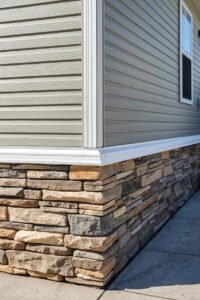
Nothing reads “mobile home” faster than basic white vinyl skirting. It’s the dead giveaway. Replacing it — or even just covering it — transforms the whole vibe of the house.
Stacked stone veneer panels are a game-changer here. They’re not real stone (so they’re much lighter and easier to install) but from the street, no one can tell. Board and batten skirting in a deep neutral color is another option that looks incredibly intentional and cottage-like. If you want something even more budget-friendly, horizontal cedar boards stained in a weathered gray can look like a custom built foundation. It ties the home to the ground in a way that regular skirting just never does.
If you’re already looking at ways to make the exterior pop without a huge renovation, there are some seriously clever mobile home curb appeal ideas worth bookmarking.
Add a Real-Looking Porch (Not Just a Landing)
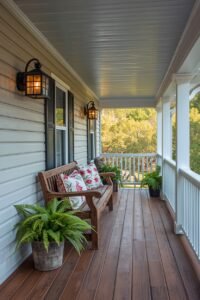
A three-step metal stair leading to a hollow-sounding door is the second biggest giveaway. A proper porch — even a small one — changes everything about how a mobile home is perceived.
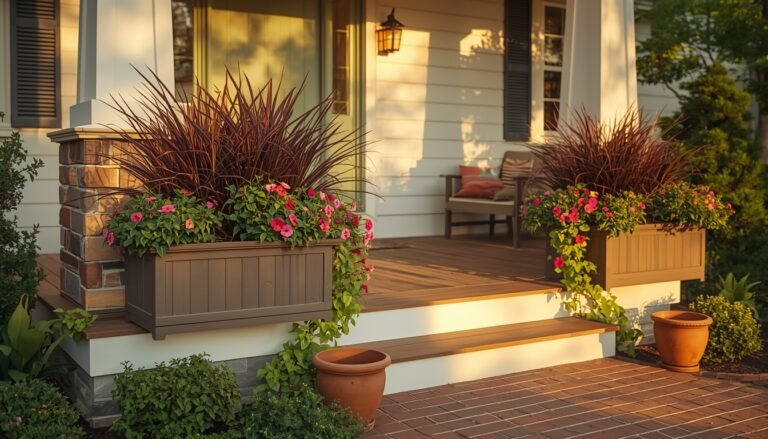
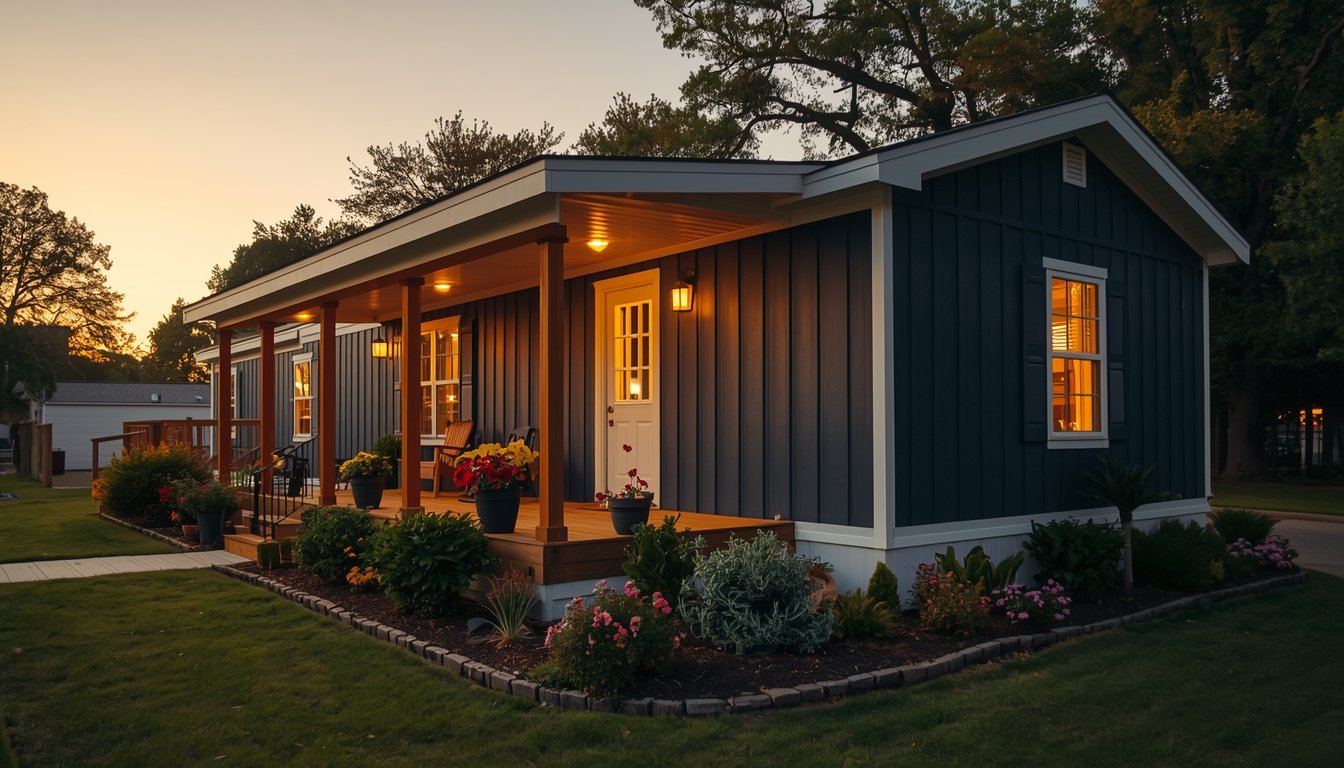
It doesn’t have to be massive. Even an 8×10 covered porch with real wood decking, a couple of columns, and a railing makes the entry feel permanent and grounded. Add some potted plants, a bench, and a real light fixture and suddenly it looks like a storybook cottage. The key is making sure the porch materials match or complement the exterior of the home — nothing mismatched or clearly bolted-on looking.
If you want to go further with the outdoor living space, there are some really creative cozy outdoor ideas for mobile homes that won’t cost a fortune. While you’re at it, think about what surrounds the porch too. Thoughtful landscaping at the base of a porch can add so much warmth. Even just layering a few ornamental grasses with some low flowering plants creates that “lived in, loved” look.
Windows: Go Bigger, or Go Framed
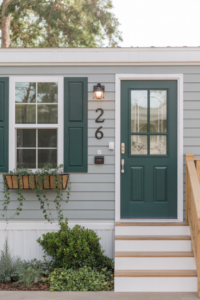
Manufactured homes usually have smaller, simpler windows. You can’t always replace them (budget, structure), but you *can* frame them out. Adding thick exterior window trim — wider than what’s already there — and painting it a contrasting color makes windows look more architecturally significant. Shutters help too, even if they’re just decorative.
If you are replacing windows, go for double-hung with grids. That grid pattern adds an instant “real house” look that vinyl sliders never have. Pair them with window boxes planted up with trailing greenery and you’ve got a home that looks like it belongs on a country road, not a lot.
Exterior Siding: Cover, Replace, or Transform
A lot of older mobile homes have horizontal aluminum or vinyl siding in dated colors and thin profiles. One of the most dramatic changes you can make is residing — even partially.
Board and batten over the existing siding is a popular method because it doesn’t require removing the original siding. It adds dimension, texture, and a farmhouse-style look that feels completely custom. Lap siding in a deeper, richer color does the same. If you’re only doing a partial reside, prioritize the front facade first — that’s what everyone sees.
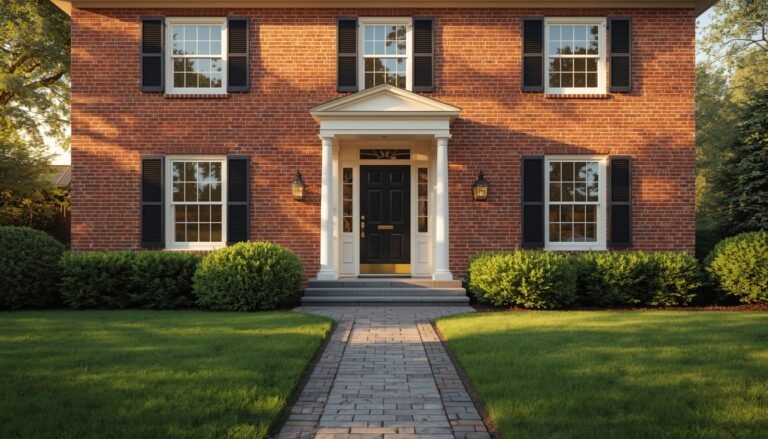
Speaking of color, this is where so many people underestimate the power of a fresh paint job. Deep charcoals, warm navies, and creamy whites with contrasting trim can make a mobile home look like a custom build. The color palette matters more than most people think. If you’re working with a brick-adjacent exterior or mixed materials, it’s worth looking at how exterior color choices interact with different surfaces before committing.
The Driveway and Front Path Do More Work Than You Think
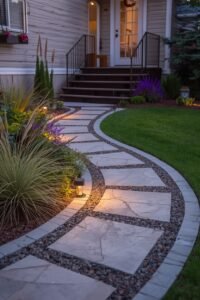
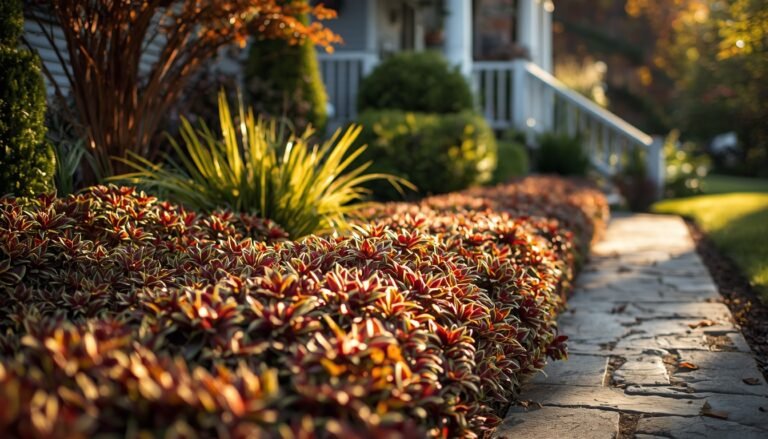
Cracked concrete or gravel straight to the door is forgettable at best. A defined front path — even stamped concrete, pavers, or simple stepping stones flanked by plants — creates a sense of arrival that expensive homes have and cheap setups don’t.
Even adding solar-powered path lights along a simple stepping stone walkway changes the nighttime look of the entire property. Pair that with a clean, edged lawn — or if you’re skipping grass altogether, a well-designed grass-free front yard layout — and suddenly the whole property reads as intentional and well-maintained.
Lighting Is One of the Cheapest Upgrades With the Biggest Payoff
Replace every builder-grade light fixture outside. Every single one. Barn lights, coach lights, lantern-style sconces — these are relatively affordable and wildly impactful. Swapping out the front door light alone makes a difference. Add two flanking the door and it looks like a proper entryway.
Solar string lights along a porch railing, uplighting on a tree or large shrub, and a statement pendant over a porch ceiling (yes, even an outdoor-rated one) all add layers of warmth that make a home feel curated and loved after dark.
The Front Door Is the Face of the House
If you do nothing else, paint or replace the front door. Mobile home doors are often hollow-core and generic-looking. A solid-core replacement door with glass panels makes an immediate impression. But even painting the existing door a bold, deliberate color — deep red, forest green, glossy black — with new hardware makes it feel like someone made choices on purpose.
New house numbers in a modern font, a real doorbell (not a button stuck to the siding), and a quality door handle set are small details that together tell a story of care and intention. It sounds small. It isn’t.
Landscaping Ties It All Together
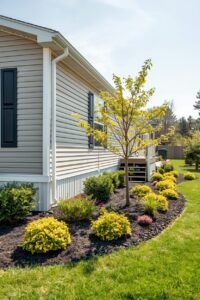
You can do everything above and still have the home look a little lost if the landscaping isn’t working with you. Foundation plantings — shrubs, ornamental grasses, and layered perennials along the base of the home — root it visually to the land. They soften the edges and make the whole thing feel like it grew there naturally.
I remember the first time I saw a mobile home that had been fully landscaped with structured beds, a small specimen tree near the corner, and a tidy border along the front. I genuinely didn’t clock it as manufactured until I got much closer. That’s the power of planting.
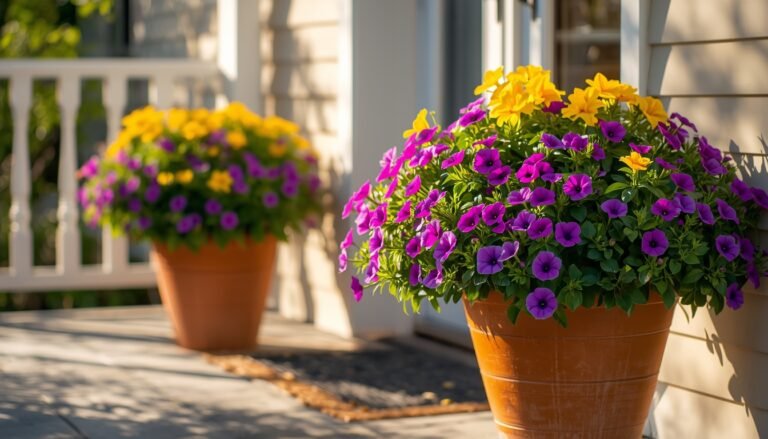
If you want to really elevate the garden side of things without creating high-maintenance chaos, styling your outdoor planter boxes thoughtfully near the entrance is an underrated move that landscapers swear by.
One Last Thing
None of these tricks require you to blow your savings. Start with one or two — the skirting and front door, or the roofline trim and landscaping — and build from there. The goal isn’t to pretend you live somewhere you don’t. It’s to show off the home you have with confidence and creativity. Mobile homes can be genuinely beautiful. They just need a little love pointed in the right direction.