14 Designer Tips for a Lush Grass-Free Front Yard
There’s something magical about stepping onto a front yard that feels alive without a single patch of grass. The kind of space that whispers, “Welcome home,” yet doesn’t demand endless mowing or watering. Grass-free front yards are no longer a compromise—they’re a statement. They’re chic, sustainable, and surprisingly cozy if done right. Today, I’m taking you through 14 designer-approved tips to transform your front yard into a lush, inviting oasis, all without laying down one blade of grass.
1. Embrace Hardscaping as Your Foundation
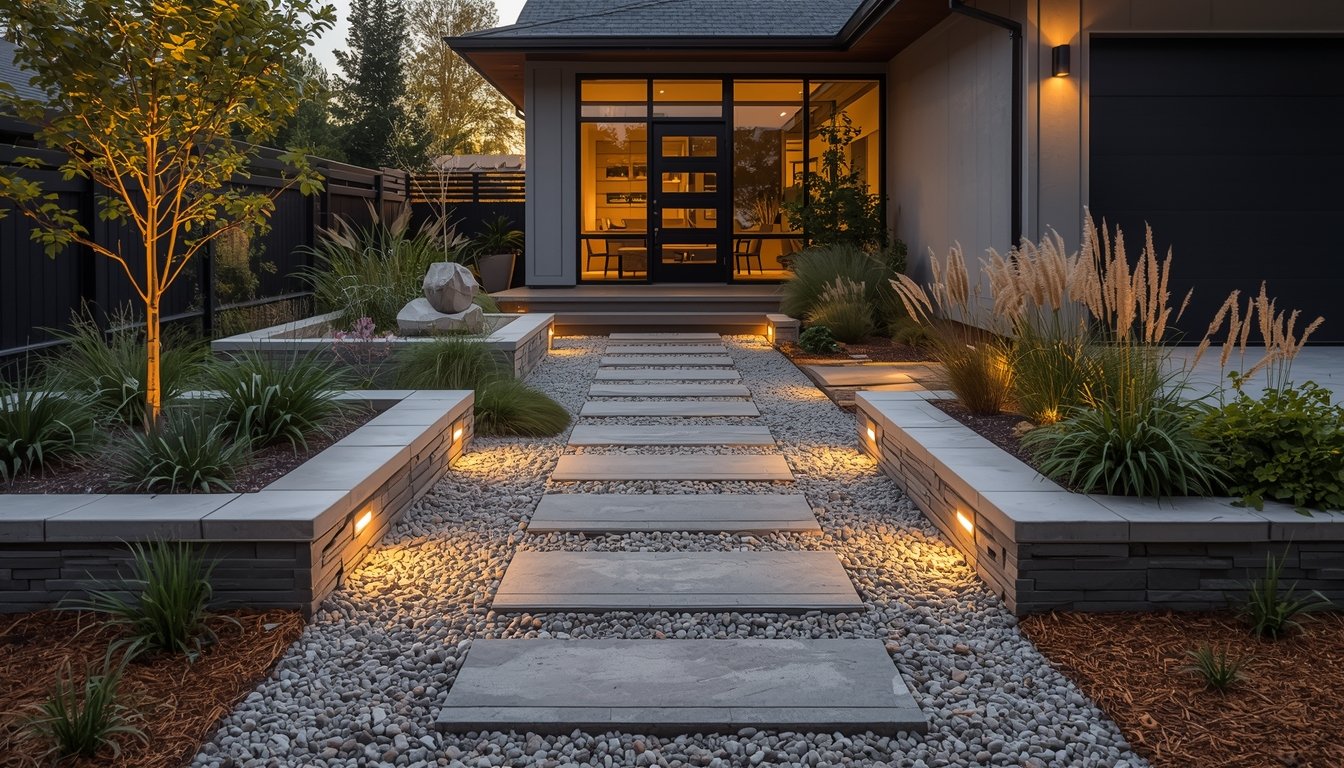
Imagine a front yard that feels polished and intentional from the moment you step outside. Hardscaping is your secret weapon here—think paving stones, gravel paths, or textured concrete. These elements anchor your space, creating structure while minimizing maintenance. But don’t make it feel cold. Choose warm tones or natural stone textures to keep the space feeling welcoming, not like a modernist parking lot.
Hardscaping also defines zones for seating, plantings, and decorative elements, giving your yard a curated feel. The key is balance: too much hardscape, and the space feels sterile; too little, and it loses cohesion.
2. Layered Planters for Maximum Impact
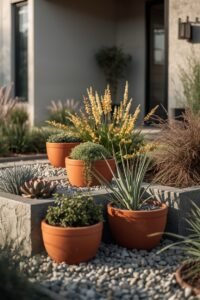
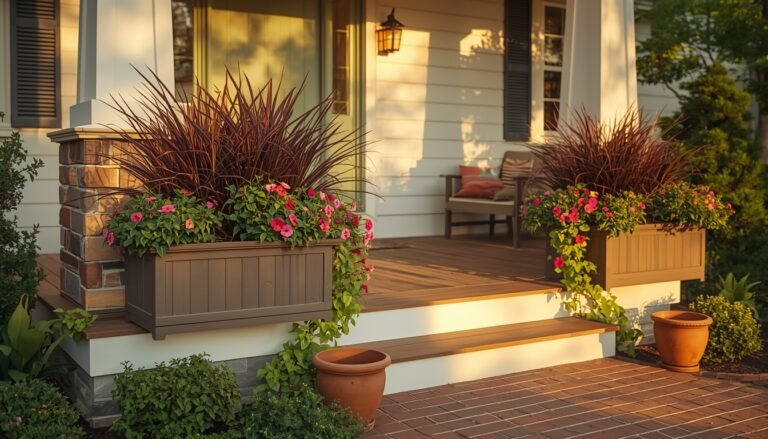
Planters aren’t just containers—they’re your canvas. Layering plants vertically and horizontally creates depth and movement in your yard. Mix sizes, heights, and textures to make the space feel dynamic. Low-maintenance succulents and ornamental grasses can soften the edges of your planters, while taller shrubs add privacy and a sense of enclosure.
Layering also allows for seasonal swaps. Want spring blooms? Swap in bulbs. Summer drought? Switch to hardy perennials. Your yard becomes a living artwork, evolving with time.
3. Gravel and Pebbles: Chic, Cheap, and Cheerful
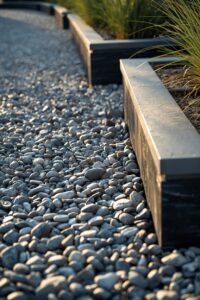
Gravel and pebbles are underrated heroes in a grass-free yard. They provide a clean, low-maintenance base that prevents weeds while adding texture and movement. Choose colors that complement your home—warm beige, soft gray, or even black for a dramatic statement.
Use different gravel sizes to separate zones—fine gravel for pathways, chunkier stones around planters. Add a border of pavers or metal edging for a polished, intentional look. Gravel crunches underfoot, giving your yard a sensory element most lawns can’t offer.
4. Sculptural Elements for Artistic Flair

Think of your front yard as a gallery, and sculpture is the centerpiece. A striking metal or stone sculpture can transform a simple gravel bed into a dramatic focal point. Don’t worry about size—it’s about proportion. Even a small, thoughtfully placed piece can draw the eye and add personality.
Sculptural elements also break monotony in a grass-free landscape. They create height, intrigue, and a story for visitors. Let your sculptures reflect your taste, whether minimalist, whimsical, or modern-industrial.
5. Mulch: Color, Texture, and Cohesion
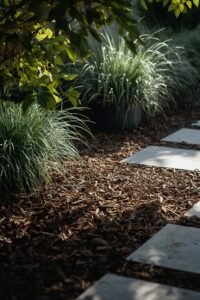
Mulch isn’t just for gardens—it’s a design element. Rich-colored bark, volcanic rock, or recycled rubber mulch instantly unifies beds and adds visual warmth. Mulch also locks in moisture and suppresses weeds, a practical win for low-maintenance yards.
Layering mulch around planters or between stepping stones enhances contrast with stone textures and plants. The right mulch can turn a simple planting bed into a polished, cohesive design statement.
6. Native Plants: Low Maintenance, High Impact
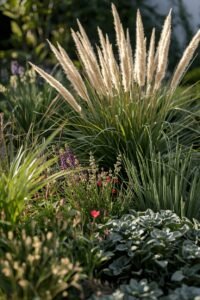
Using native plants is a designer’s secret for effortless beauty. These plants thrive in local climates, resist pests, and often require less water than exotic alternatives. Think colorful perennials, hardy shrubs, and ornamental grasses that naturally adapt to your environment.
Strategically mixing native plants with ornamental choices ensures your yard feels curated yet effortless. Native blooms also attract pollinators, making your front yard not just beautiful, but ecologically vibrant.
7. Vertical Gardens to Maximize Small Spaces
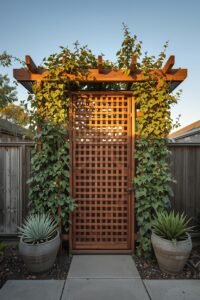
If your front yard is narrow, vertical gardens can be a game-changer. Mounted planter walls, trellises, or climbing vines create greenery without taking up precious ground space. Vertical gardens also add layers of color and texture, making even a tiny yard feel lush and expansive.
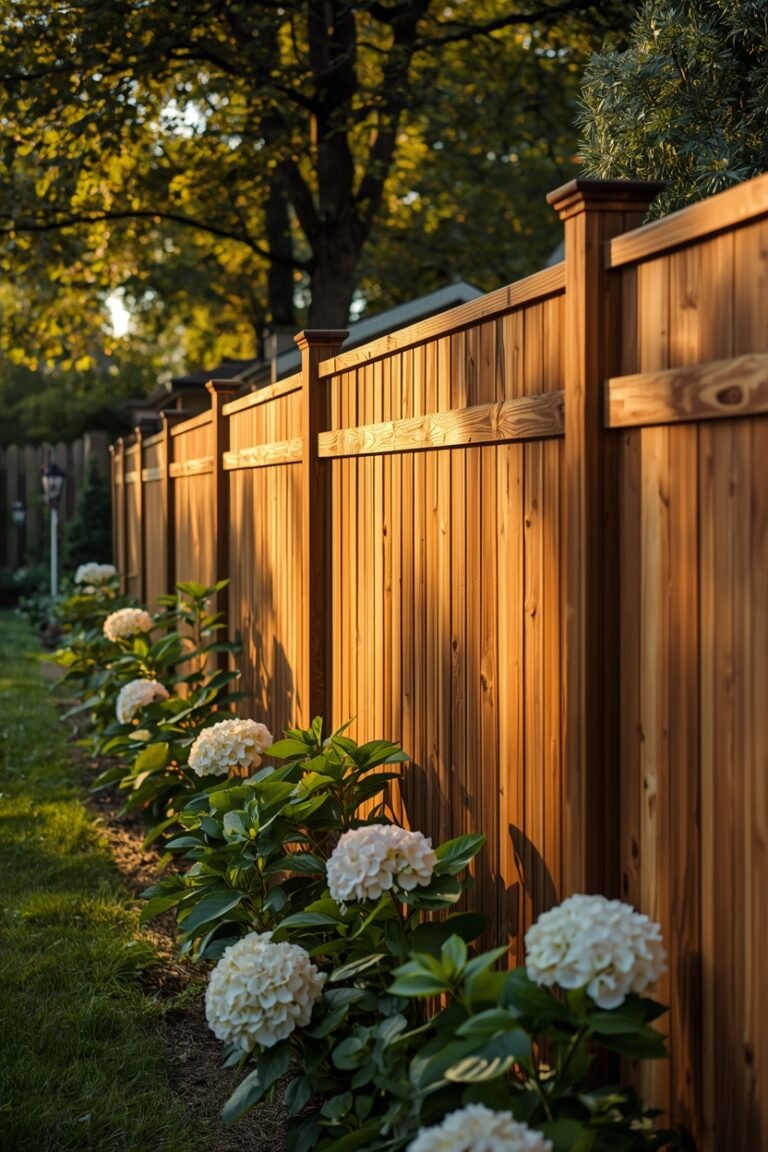
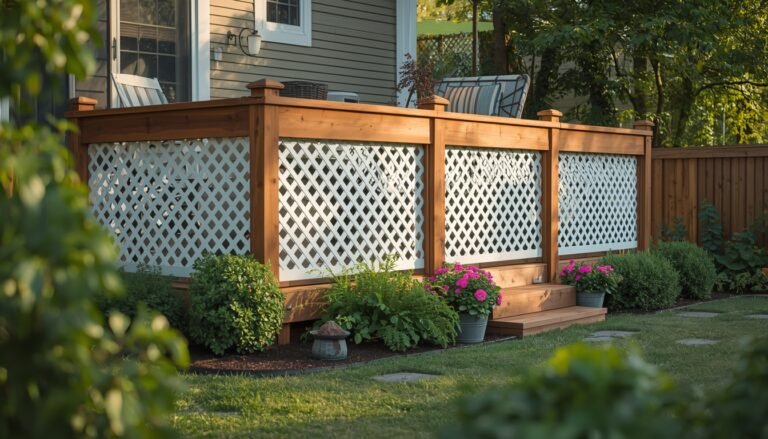
These green walls are perfect for adding privacy or covering unsightly fences. With the right design, a vertical garden becomes a living art installation.
8. Water Features for a Touch of Luxury
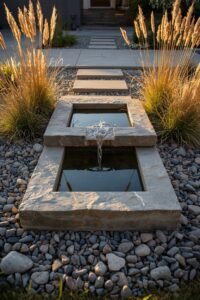
Even in a modest yard, a small water feature adds luxury and serenity. A modern fountain, bubbling urn, or reflective pond can become the focal point, creating movement and soothing sounds. Water features balance hardscape and plantings, softening the overall look.
Position your water feature where it can be seen from the street or your front porch. The sound of running water elevates the sensory experience, making your yard feel like a mini-retreat.
9. Lighting: Day-to-Night Transformation
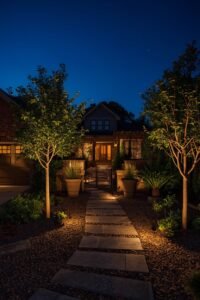
Lighting is where your front yard really earns its designer status. Pathway lights, uplighting for trees, and accent lights on sculptures extend your yard’s appeal into the night. Good lighting creates warmth, drama, and safety.
Consider solar or low-voltage LED lights to stay eco-friendly. Layer lighting for depth—soft ambient glow for walkways, brighter accents for focal points. Even a simple gravel path transforms under thoughtful illumination.
10. Mix Textures for Visual Interest
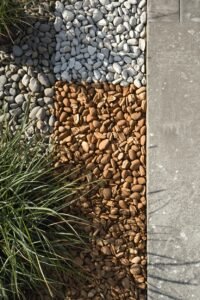
Variety is the spice of a grass-free yard. Combine smooth stones, coarse gravel, rough bark, glossy planters, and feathery grasses. Texture draws the eye, creates depth, and prevents the space from feeling flat.
Layering textures also helps define zones naturally—rough bark for planting beds, smooth pavers for paths, soft grasses as accents. Your front yard becomes a tactile experience, inviting visitors to explore.
11. Add Cozy Seating Nooks
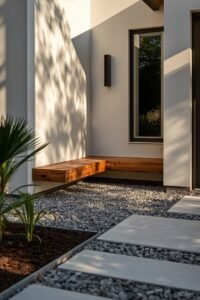
Even small front yards can benefit from seating areas. A single bench, a pair of chairs, or a swing surrounded by planters creates a welcoming space. Cozy nooks make the yard feel functional, not just decorative.
Placement is key—situate seating to capture morning sunlight, a view of the street, or the calming water feature. Add cushions or weatherproof textiles for warmth without sacrificing style.
12. Play with Color, Not Just Green
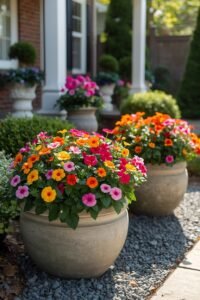
Grass-free doesn’t mean monotone. Incorporate flowering perennials, colorful pots, or painted gravel accents to add pops of personality. Seasonal blooms can bring warmth and surprise to the front yard, creating a dynamic, evolving palette.
Think about contrast: cool-toned planters with warm flowers, or neutral gravel with vivid foliage. These color pops make your yard memorable, like a signature accessory for your home.
13. Artful Borders and Edging
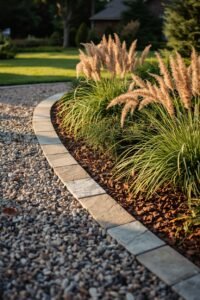
Borders might seem minor, but they define your yard’s edges and give structure to beds and paths. Use metal, stone, or low hedges to create clean lines that contrast with softer plant textures.
Well-thought-out edging makes a small front yard feel orderly and high-end, giving the impression of a professionally designed space without overspending.
14. Keep It Personal and Functional

Finally, your front yard should reflect you. Incorporate favorite plants, quirky sculptures, or a small herb patch if you enjoy cooking. Functionality matters too—paths should lead naturally, seating should be comfortable, and spaces should feel easy to maintain.
A lush grass-free yard is not just a trend—it’s a lifestyle. It’s a space that invites people in, encourages pause, and delights the senses. Make it yours, and every detail will tell a story.
Creating a lush, grass-free front yard isn’t about deprivation—it’s about intentional design. Every stone, plant, and path contributes to a space that feels alive, welcoming, and uniquely yours. With thoughtful layering, textures, and personal touches, your front yard can be a premium sanctuary, all without a blade of grass in sight.